
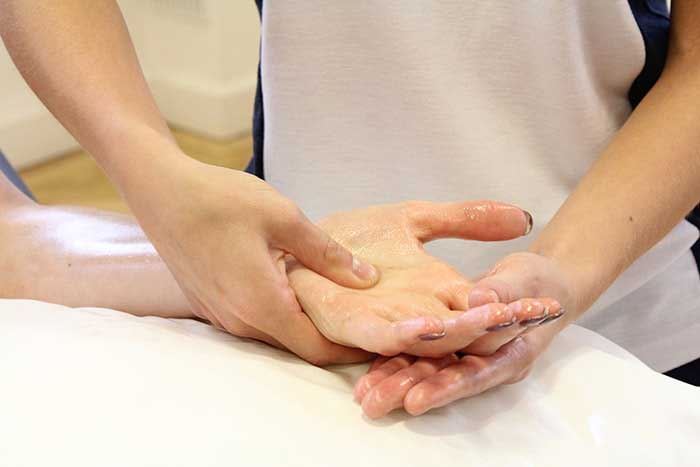

Acupressure, an ancient therapy rooted in Traditional Chinese Medicine (TCM), has been practiced for thousands of years as a method of promoting wellness, alleviating pain, and restoring balance within the body. This holistic technique involves applying pressure to specific points on the body, known as acupoints, to stimulate energy flow and support the body’s natural healing mechanisms. The practice has gained global recognition, not only for its historical significance but also for its role in modern complementary and alternative medicine.
Acupressure is closely related to acupuncture, but it does not involve needles. Instead, practitioners use fingers, palms, elbows, or specialized tools to apply pressure to acupoints. The main objective is to manipulate the body’s qi, or life energy, to address both physical and emotional imbalances. Over time, scientific research has begun to explore the efficacy of acupressure in managing conditions such as chronic pain, stress, digestive disorders, and sleep disturbances.
Understanding the Principles of Acupressure
The Concept of Qi and Energy Meridians
At the heart of acupressure lies the concept of qi, an invisible energy that flows throughout the body along pathways called meridians. In TCM, health is maintained when qi flows freely. Blockages or imbalances in this flow can lead to illness, pain, or emotional distress. Acupressure targets specific points along these meridians to restore balance, improve circulation, and support the body’s innate healing capabilities.
There are over 365 acupoints mapped on the human body, each associated with particular organs, systems, or functions. For instance, pressing the LI4 point, located between the thumb and index finger, is traditionally used to relieve headaches and tension, while the ST36 point, found below the knee, is often used to improve digestion and boost energy.
How Acupressure Differs from Acupuncture
While acupuncture and acupressure share the same foundational principles, they differ in technique and accessibility. Acupuncture involves inserting fine needles into acupoints to stimulate qi, whereas acupressure relies on manual pressure. This makes acupressure a non-invasive, low-risk alternative suitable for self-care, stress management, and complementary therapy alongside conventional treatments.
The Science Behind Acupressure
Modern research has started to uncover physiological mechanisms that may explain why acupressure works. Studies suggest that applying pressure to acupoints can:
-
Stimulate nerve endings, promoting the release of neurotransmitters such as endorphins and serotonin, which help alleviate pain and improve mood.
-
Increase blood circulation to targeted areas, supporting tissue repair and reducing inflammation.
-
Activate the parasympathetic nervous system, which encourages relaxation, reduces stress, and lowers heart rate and blood pressure.
-
Influence muscle tension, helping to release knots and reduce stiffness.
Clinical trials have shown promising results for acupressure in managing conditions like chronic lower back pain, nausea caused by chemotherapy, tension headaches, and insomnia. Although more large-scale, rigorous studies are needed, the existing evidence supports the practice as a valuable complementary therapy.
Common Acupressure Points and Their Uses
Acupressure can address a wide range of physical and emotional issues. Some of the most widely used acupoints include:
1. LI4 (Hegu) – Headaches and Stress
Located in the webbing between the thumb and index finger, LI4 is often used to relieve headaches, facial pain, and stress. Applying firm pressure in small circular motions for 1–2 minutes can promote relaxation and reduce tension.
2. PC6 (Neiguan) – Nausea and Anxiety
PC6 is situated on the inner forearm, approximately three finger-widths from the wrist crease. Stimulating this point is known to alleviate nausea, motion sickness, and anxiety, making it useful during travel or in stressful situations.
3. ST36 (Zusanli) – Digestion and Energy
Located about four finger-widths below the kneecap, slightly lateral to the shinbone, ST36 is traditionally used to improve digestive function, boost immunity, and increase overall vitality.
4. LV3 (Taichong) – Emotional Balance
Found on the top of the foot, in the depression between the first and second toes, LV3 helps to alleviate stress, irritability, and emotional tension. It also supports liver health according to TCM principles.
5. SP6 (Sanyinjiao) – Hormonal and Reproductive Health
SP6, located on the inner leg, about three finger-widths above the ankle bone, is associated with gynecological health, hormonal balance, and sleep improvement. It is often recommended for menstrual discomfort and sleep disturbances.
Techniques and Methods of Acupressure
Acupressure techniques vary depending on the desired effect and practitioner style. Some common methods include:
-
Pressing: Applying steady, firm pressure using fingers, thumbs, or palms.
-
Rubbing: Circular or back-and-forth motions to stimulate the acupoint.
-
Tapping: Gentle percussion movements to activate circulation.
-
Holding: Sustained pressure for longer durations to release tension or promote relaxation.
Sessions can last anywhere from 10 to 30 minutes and may target multiple acupoints depending on the individual’s condition. Self-administered acupressure is also effective, especially for minor ailments like stress relief, mild pain, or fatigue.
Acupressure for Stress Relief and Mental Health
Stress is a pervasive modern health issue, impacting both mental and physical well-being. Acupressure has been shown to reduce cortisol levels, promote relaxation, and improve mood. Points such as LI4, PC6, and LV3 are particularly effective for emotional regulation. Regular acupressure practice can complement mindfulness, meditation, and other stress-management techniques, offering a holistic approach to mental health.
Acupressure for Pain Management
Acupressure has been widely used as a natural alternative for managing pain. Research indicates its effectiveness in treating:
-
Chronic back and neck pain: ST36, LI4, and GB20 (located at the base of the skull) can help alleviate muscle tension and discomfort.
-
Headaches and migraines: LI4 and GB20 are commonly stimulated to reduce pain intensity and frequency.
-
Joint and muscle pain: Targeting local points near the affected area can improve blood flow and relieve stiffness.
Unlike pain medications, acupressure carries minimal risk of side effects, making it a sustainable long-term strategy for pain management.
Acupressure in Digestive Health
Certain acupoints influence the digestive system by regulating gastrointestinal motility and enhancing nutrient absorption. ST36 and CV12 (located midway between the navel and the sternum) are frequently used to relieve bloating, constipation, diarrhea, and general digestive discomfort. Regular stimulation of these points may help maintain gut health and support overall wellness.
Safety Considerations and Precautions
Acupressure is generally safe for most individuals, but certain precautions should be observed:
-
Avoid applying pressure to areas with open wounds, fractures, or severe inflammation.
-
Pregnant individuals should consult a healthcare provider before using points associated with uterine stimulation, such as SP6.
-
People with chronic health conditions or severe pain should seek guidance from a licensed acupressure practitioner or medical professional.
-
Use gentle pressure initially and gradually increase intensity to avoid discomfort or bruising.
Integrating Acupressure Into Daily Life
Acupressure can easily be incorporated into daily routines as a self-care practice. Tips for effective integration include:
-
Set aside 10–15 minutes daily for focused acupressure on points associated with your needs.
-
Combine with deep breathing or meditation to enhance relaxation and mental clarity.
-
Use portable tools like acupressure mats, wristbands, or handheld devices for convenience.
-
Track your progress to observe which points yield the most noticeable benefits over time.
Scientific Evidence and Research Insights
While traditional practice emphasizes the flow of qi, modern studies have explored the neurophysiological effects of acupressure. Research findings suggest:
-
Acupressure may reduce postoperative nausea and vomiting in surgical patients.
-
It can decrease perceived pain intensity in individuals with chronic conditions such as osteoarthritis and fibromyalgia.
-
Acupressure has potential benefits in improving sleep quality, particularly for patients with insomnia or stress-related sleep disturbances.
-
Functional MRI studies indicate that stimulating acupoints can activate specific brain regions associated with pain modulation, mood, and autonomic function.
These findings bridge traditional wisdom and modern science, highlighting acupressure as a credible complementary therapy.
Conclusion
Acupressure offers a time-tested, holistic approach to health, providing benefits that span physical, emotional, and mental wellness. By understanding the principles of energy meridians, learning to locate key acupoints, and applying consistent techniques, individuals can leverage acupressure to relieve pain, reduce stress, support digestion, and enhance overall vitality. While it complements modern medicine, acupressure empowers individuals to take an active role in their own health and well-being.
FAQs About Acupressure
1. Can acupressure replace conventional medical treatment?
Acupressure is a complementary therapy and should not replace prescribed medical treatment. It can be used alongside conventional care to enhance wellness and manage symptoms naturally.
2. How long does it take to see results from acupressure?
Results vary depending on the condition and frequency of practice. Some individuals experience immediate relief for minor issues like tension headaches, while chronic conditions may require several weeks of regular stimulation.
3. Is acupressure safe for children?
Yes, acupressure can be safe for children when applied gently. Focus on mild pressure and avoid sensitive areas, consulting a pediatric practitioner if necessary.
4. Can I perform acupressure on myself?
Absolutely. Many acupoints are easily accessible for self-care. Using fingers, thumbs, or acupressure tools, you can stimulate points for stress relief, pain reduction, and energy improvement.
5. Are there any side effects of acupressure?
Side effects are minimal but may include slight soreness, redness, or mild bruising at pressure points if excessive force is applied. Proper technique and gradual pressure application reduce these risks.
6. How often should I practice acupressure?
Daily practice is ideal for preventive health and stress management, but even a few times per week can provide noticeable benefits depending on your goals.
7. Can acupressure help with emotional health?
Yes, points like LV3, PC6, and LI4 are particularly effective in reducing stress, anxiety, and emotional tension, supporting a balanced mental state.
Acupressure bridges centuries of traditional healing with modern wellness strategies, making it a practical, accessible, and scientifically supported approach for anyone seeking natural, holistic health solutions.

Comments are closed.