

Few things are more frustrating than doing everything “right” and seeing no change. You train multiple times a week, you try to eat sensibly, you stay active, yet fat loss stalls. The scale does not move, measurements stay the same, and motivation slowly drops. This situation is extremely common, especially among working adults in Singapore with demanding schedules.
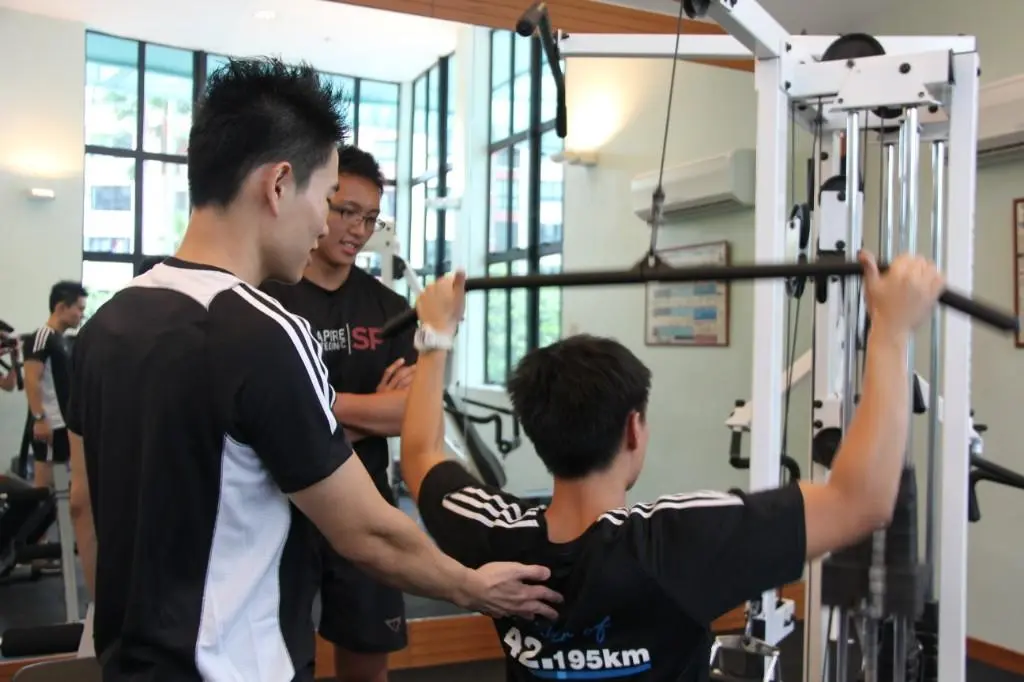
A fat loss plateau is not a failure. It is feedback. Working with a fitness trainer singapore helps you interpret that feedback correctly and adjust training, movement, and habits so progress resumes without extreme dieting or burnout.
This article explains why fat loss plateaus happen, why common fixes often backfire, and how a structured reset approach restores momentum in a sustainable way.
What a fat loss plateau actually means
A plateau does not mean your body has “stopped working”. It usually means your body has adapted to your current routine. Fat loss is driven by a combination of calorie balance, movement, muscle mass, recovery, and hormones. When one or more of these quietly shifts, results slow down.
Plateaus often show up after:
-
Several weeks or months of consistent training
-
A period of aggressive dieting
-
Increased work stress or poor sleep
-
Reduced daily movement without realising it
-
Training intensity that no longer matches recovery capacity
The body is highly efficient. When it senses prolonged stress or restriction, it looks for ways to conserve energy.
Why “eat less and move more” stops working
The instinctive response to a plateau is to cut more food and add more workouts. This approach can work short term, but often creates new problems.
Common consequences include:
-
Lower daily energy and motivation
-
Increased hunger and cravings
-
Reduced spontaneous movement during the day
-
Poor workout quality
-
Muscle loss instead of fat loss
-
Rebound weight gain when restriction ends
When calories drop too low for too long, the body adapts by reducing non-exercise activity and increasing hunger hormones. You burn fewer calories without noticing, even though you feel like you are trying harder.
The hidden drivers of plateaus most people miss
Many plateaus are caused by small changes that compound over time rather than one big mistake.
Reduced daily movement
When dieting or stressed, people subconsciously move less. You may still train three to four times a week, but your steps outside the gym drop.
Signs this is happening:
-
You feel more tired outside workouts
-
You sit more during the day
-
You skip walks you used to take
-
You rely on lifts, transport, or convenience more often
This drop in daily movement can cancel out the calorie deficit you think you have created.
Training that no longer challenges the body
Repeating the same workouts with the same weights and intensity eventually stops producing change. The body becomes efficient at handling that load.
On the other extreme, constantly pushing maximum intensity without recovery can increase fatigue and stall progress.
Sleep debt and stress accumulation
Sleep affects appetite regulation, recovery, and decision-making. When sleep drops, hunger increases and food choices become harder to control. Stress hormones also influence where fat is stored and how easily it is mobilised.
Inaccurate food intake awareness
Over time, portion sizes creep up and tracking accuracy drops. This is normal, not dishonest. Sauces, snacks, drinks, and social meals often account for more calories than expected.
How a fitness trainer approaches a plateau reset
A good reset is not about punishment. It is about restoring balance and clarity.
Step 1, assess before changing anything
Before adjusting food or training, a trainer looks at patterns:
-
Weekly training volume and intensity
-
Step count trends
-
Sleep duration and quality
-
Stress levels at work and home
-
Meal timing and consistency
-
Strength progression or regression
This prevents unnecessary changes and identifies the true bottleneck.
Step 2, restore training quality, not just quantity
Instead of adding more sessions, trainers often improve how each session is executed.
Adjustments may include:
-
Reducing junk volume and focusing on key lifts
-
Improving technique to increase muscle engagement
-
Rebalancing push, pull, hinge, and squat patterns
-
Introducing structured progression again
-
Adjusting rest times to match goals
When training quality improves, the body responds without needing excessive workload.
Why strength training is central to breaking plateaus
Muscle tissue increases metabolic demand and improves nutrient handling. Strength training also sends a signal to preserve lean mass during fat loss.
A plateau-friendly strength structure often includes:
-
3 well-planned strength sessions per week
-
Moderate rep ranges with controlled tempo
-
Progressive overload without constant max effort
-
Enough recovery between sessions
This supports fat loss while protecting muscle and energy levels.
Conditioning, less chaos, more intent
Cardio is useful, but random high-intensity sessions layered on top of fatigue often worsen plateaus.
More effective approaches include:
-
Zone-based cardio that supports recovery
-
Short finishers added to strength sessions
-
Step-based movement targets
-
Conditioning volumes adjusted week to week
The goal is consistency, not exhaustion.
Resetting nutrition without extreme restriction
A plateau reset does not always require eating less. In some cases, eating slightly more for a short period improves training quality and hormonal balance, making fat loss easier afterward.
The importance of meal structure
Consistent meals reduce decision fatigue and stress eating.
Key principles:
-
Prioritise protein at every meal
-
Maintain regular meal timing on workdays
-
Avoid long fasting periods that lead to overeating later
-
Keep social meals flexible but intentional
Strategic calorie cycling
Some people respond well to small fluctuations in intake rather than constant restriction.
Examples:
-
Slightly higher intake on heavy training days
-
More controlled intake on rest days
-
Planned social meals instead of unplanned grazing
This approach supports adherence and reduces mental fatigue.
The role of recovery in resuming fat loss
Recovery is often the missing piece. When recovery improves, training performance increases and appetite regulation stabilises.
Recovery-focused strategies include:
-
Improving sleep consistency
-
Managing caffeine timing
-
Scheduling true rest days
-
Incorporating light movement for circulation
-
Reducing unnecessary life stress where possible
These changes often unlock progress without changing calories.
Tracking progress beyond the scale
The scale alone is a poor indicator during plateaus. A trainer tracks multiple markers to assess whether the plan is working.
Useful indicators include:
-
Waist and hip measurements
-
Strength progression
-
Energy levels throughout the day
-
Training performance
-
Sleep quality
-
Hunger and cravings
Fat loss often resumes quietly before the scale reflects it.
A realistic reset timeline
Breaking a plateau does not always happen overnight. Most people see meaningful changes within four to eight weeks when adjustments are applied consistently.
The key is patience combined with precision. Random changes slow the process, while targeted adjustments speed it up.
Why plateaus return without guidance
Many people break a plateau temporarily but struggle to maintain progress because they revert to old habits or push too hard again.
A trainer helps by:
-
Monitoring early warning signs
-
Adjusting plans before stalls deepen
-
Teaching self-awareness around stress and recovery
-
Building habits that survive busy periods
This creates long-term results, not short-term fixes.
For those seeking structured coaching, accountability, and evidence-based programming, working with a professional team like True Fitness Singapore provides a supportive environment to navigate plateaus without extremes.
FAQ, questions people ask during plateaus but rarely get clear answers
Should I stop training completely to break a plateau?
In most cases, no. Reducing volume or intensity temporarily can help, but stopping entirely often leads to loss of routine and momentum. Smart adjustments are usually more effective than full breaks.
Is it normal for fat loss to stall even when strength improves?
Yes. Strength gains can continue while fat loss pauses, especially if recovery or movement changes. This often means the body is adapting positively, and fat loss may resume once other factors are adjusted.
Can stress alone stop fat loss even if calories are controlled?
Chronic stress can influence appetite, sleep, and daily movement, which indirectly affects fat loss. Addressing stress does not mean eliminating it, but managing its impact through training and recovery strategies.
How do I know if I should eat more or less during a plateau?
This depends on training performance, hunger, sleep, and activity levels. Eating less is not always the answer. A trainer evaluates patterns before recommending changes.
Do plateaus mean my goal weight is unrealistic?
Not necessarily. Plateaus are part of the process. They usually signal the need for adjustment, not abandonment of the goal.

Comments are closed.