
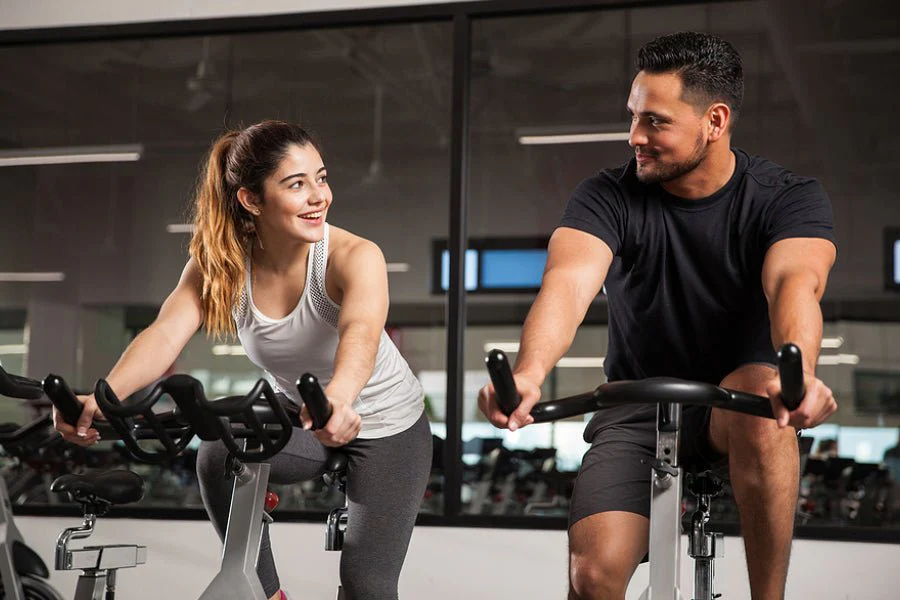

Endurance athletes in Singapore face unique challenges. High humidity, frequent rain, and intense heat often disrupt outdoor training plans, making it difficult for runners, triathletes, and cyclists to build consistent mileage. In such an environment, an indoor spin class becomes more than just a fitness option. It serves as a strategic cross-training tool that complements outdoor workouts, improves cardiovascular endurance, and strengthens the body against injury.
By combining structured spin training with outdoor practice, athletes achieve better conditioning while reducing weather-related risks. Fitness hubs such as TFX are increasingly becoming essential destinations for endurance athletes who want scientific training in a controlled environment.
Why Cross-Training Matters for Endurance Athletes
Cross-training refers to the use of alternative exercises to improve performance in a primary sport. For endurance athletes, the primary sport may be running, cycling, or swimming. However, repetitive use of the same muscles increases the risk of overuse injuries, burnout, and plateaus.
Indoor spin classes provide:
-
Reduced Impact Training: Unlike running, cycling minimises stress on joints.
-
Cardiovascular Conditioning: Spin mimics high heart rate zones without the same skeletal strain.
-
Variety and Motivation: Group settings with music and structured coaching break the monotony of solo training.
Cross-training ensures that athletes stay active even when their primary training is compromised by climate or injury.
Singapore’s Climate Challenge
Singapore’s equatorial climate poses three main challenges for outdoor endurance training:
-
Heat Stress: Temperatures hover around 30°C with high humidity, causing rapid dehydration.
-
Air Quality Variability: During certain months, haze and pollution make outdoor cardio unsafe.
-
Unpredictable Rainfall: Sudden downpours frequently disrupt running and cycling schedules.
Indoor spin classes provide a consistent, controlled setting where temperature, air quality, and safety are never in question.
Physiological Benefits of Spin for Runners
Running builds stamina and leg strength but often leads to shin splints, plantar fasciitis, and knee pain. Indoor spin classes help runners maintain conditioning without adding further stress to the lower body.
-
Low-Impact Cardio: Preserves aerobic base while allowing injured runners to recover.
-
Muscle Balance: Engages the glutes and hamstrings more than running does, reducing muscle imbalances.
-
Cadence Training: Spinning at 90–100 RPM simulates the turnover speed of efficient running strides.
Runners who integrate weekly spin sessions often find themselves less fatigued and better prepared for long-distance races.
Benefits for Triathletes
Triathletes must balance swimming, cycling, and running in a single training plan. This creates challenges in distributing time efficiently across disciplines. Indoor spin classes become a time-effective solution:
-
Cycling-Specific Strength: Builds power for triathlon bike segments without outdoor risks.
-
Aerobic Capacity: Mimics triathlon pacing, helping athletes sustain high heart rates over long durations.
-
Transition Training: By pairing spin classes with short treadmill runs, athletes simulate “brick workouts” essential for triathlon preparation.
Additionally, the structured intervals common in spin classes replicate the surges of power required on hilly or windy triathlon courses.
Cycling Performance and Indoor Spin
Even for dedicated cyclists, indoor training plays a vital role in performance. Outdoor conditions in Singapore are unpredictable, and road safety is an ongoing concern. Indoor spin classes provide:
-
Structured Intervals: Coaches design sessions that replicate climbing, sprinting, and endurance rides.
-
Data Tracking: Many studios use power meters, allowing cyclists to train within specific zones.
-
Consistency: Indoor training eliminates disruptions from traffic, weather, or road closures.
For cyclists, spin classes are not replacements but enhancements, ensuring uninterrupted training cycles.
Injury Prevention and Rehabilitation
One of the most valuable aspects of indoor spin training is injury prevention. Sports medicine research highlights cycling as a recommended cross-training activity for athletes recovering from:
-
Stress fractures
-
Knee cartilage injuries
-
Tendinitis
The smooth, repetitive motion of cycling strengthens supporting muscles while reducing impact. Rehabilitation specialists often use cycling as a bridge between rest and full return to running or high-impact sports.
Mental Benefits of Cross-Training with Spin
Endurance training can be mentally exhausting. Solo long runs or endless laps in the pool sometimes drain motivation. Indoor spin classes counteract this by creating a high-energy, community-driven environment.
-
Variety: Music-driven sessions keep workouts engaging.
-
Social Support: Group settings promote accountability and camaraderie.
-
Mental Reset: The change of scenery from outdoor training reduces burnout.
These psychological benefits contribute to overall training consistency, a critical factor for endurance success.
Integrating Spin Into Endurance Training Plans
The role of spin depends on the athlete’s sport and training cycle.
For Runners
-
Replace one weekly recovery run with a spin session.
-
Use interval-based spin classes to build speed without pounding on joints.
For Triathletes
-
Attend spin classes twice weekly to build power for bike segments.
-
Combine a short run after class for brick training simulation.
For Cyclists
-
Use spin classes as structured indoor workouts during rainy weeks.
-
Focus on high-resistance sessions to develop climbing power.
By tailoring spin integration, athletes gain benefits without overloading their training schedules.
Fueling Spin for Endurance Athletes
Nutrition plays a vital role in performance. Endurance athletes using spin as cross-training should pay attention to fuelling strategies.
-
Pre-Class: Consume easily digestible carbs like bananas or rice crackers for energy.
-
During Class: Hydrate consistently, especially in Singapore’s humid conditions.
-
Post-Class: Replenish with protein-rich meals to support muscle recovery.
Matching nutrition with class intensity ensures training adaptations are maximised.
Real-Life Applications in Singapore
-
Marathon Runners: Many integrate spin sessions during peak haze periods when outdoor training becomes risky.
-
Ironman Athletes: Use spin classes to simulate race-pace intervals in a safe, controlled environment.
-
Recreational Athletes: Tap into spin to stay fit when family or work schedules prevent long outdoor sessions.
These examples highlight how spin is not a replacement but a supplement, allowing athletes to stay consistent under varied circumstances.
FAQs About Spin as Cross-Training
Q. Can I replace all my runs with spin classes?
No. While spin builds aerobic endurance, running-specific adaptations like bone strength and impact resilience require actual running. Use spin as a supplement, not a full replacement.
Q. How often should triathletes use spin classes?
Two sessions per week are effective for maintaining cycling strength, especially when outdoor rides are not possible.
Q. Do spin classes build the same leg muscles as outdoor cycling?
Yes, but with added emphasis on controlled resistance. Outdoor cycling adds balance and terrain adaptation, which spin cannot fully replicate.
Q. Can spin classes help prevent injuries in runners?
Yes. By strengthening the posterior chain and reducing repetitive impact, spin lowers the risk of running-related injuries.
Q. Is cross-training with spin suitable for beginners?
Absolutely. Beginners benefit from reduced joint stress and gradual cardiovascular conditioning while preparing for more demanding endurance sports.
Closing Thoughts
An indoor spin class is no longer just a trendy fitness activity. For endurance athletes in Singapore’s challenging climate, it is a scientifically sound cross-training method that boosts cardiovascular fitness, prevents injuries, and sustains motivation. By combining outdoor training with structured indoor sessions, runners, triathletes, and cyclists can achieve peak performance without sacrificing health or consistency.

Comments are closed.