
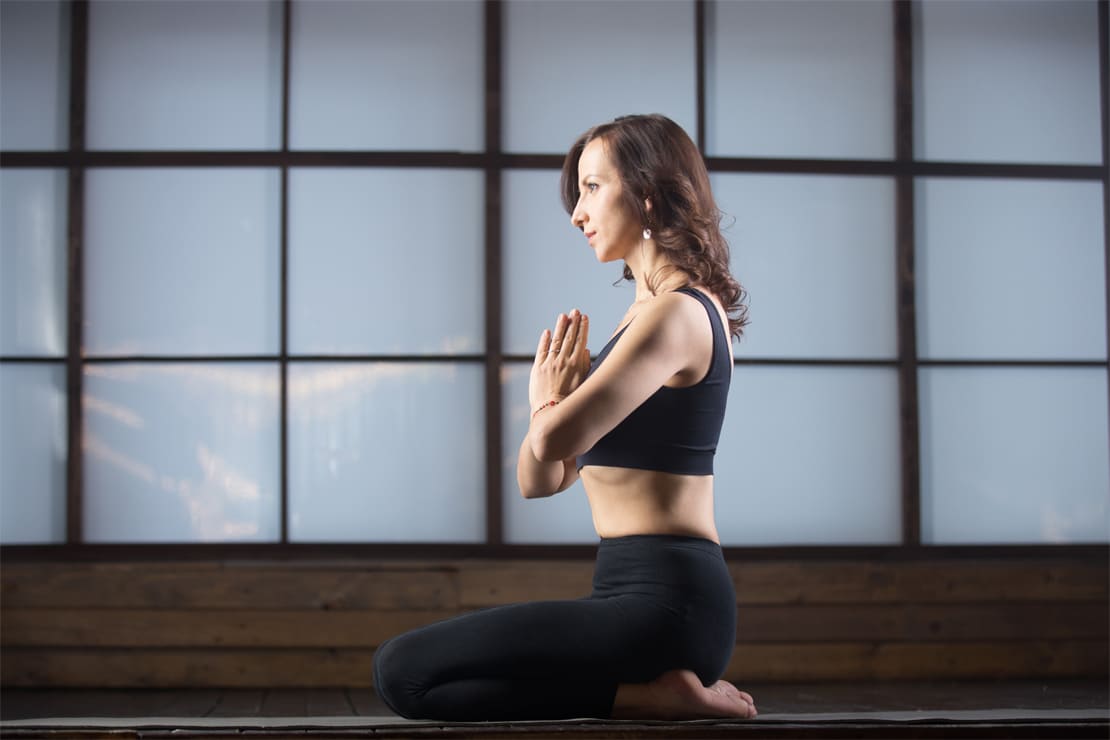

For many modern practitioners, the practice of yoga is often understood primarily as a physical discipline. Studios around the world emphasize asanas, the physical postures designed to build flexibility, muscular strength, balance, and joint stability. While the physical benefits of dynamic movement flows and deep stretching are undeniable, asana represents only one branch of a classical, multi-dimensional system.
When physical movement is practiced in isolation, disconnected from conscious breath regulation, the practice remains primarily gymnastic. To unlock the deeper physiological, psychological, and meditative dimensions of yoga, one must integrate the fourth limb of classical Ashtanga yoga: pranayama.
Pranayama is the deliberate, conscious regulation, expansion, and control of the breath. Far from being a passive cool-down exercise, pranayama serves as the physiological bridge linking the physical body with the nervous system and the mind. By weaving targeted breathwork into your asana practice, you can transform your yoga routine from a standard physical workout into a profound, rejuvenating practice that enhances mental clarity, stabilizes energy, and cultivates deep internal calm.
Understanding the Foundations of Pranayama
To understand how breathwork complements movement, it is essential to examine its classical roots and underlying mechanisms. The term pranayama is derived from two ancient Sanskrit roots: prana, meaning vital life force or energy, and ayama, which translates to extension, expansion, or regulation.
In classical yogic philosophy, prana animates all living matter, circulating through thousands of subtle energetic pathways known as nadis. When breathing is shallow, rapid, or erratic, the flow of vital energy becomes stagnant or disrupted, leading to physical fatigue, emotional volatility, and mental distraction.
From a modern scientific perspective, breath is the only autonomic bodily function that can also be consciously and voluntarily controlled. While your autonomic nervous system regulates your breathing rate in the background without conscious input, you can immediately take voluntary control of your diaphragm, changing your respiratory depth, cadence, and retention.
This dual nature makes the breath an accessible control switch for the autonomic nervous system. By consciously altering the duration of inhalations, retentions, and exhalations, you can directly influence your heart rate variability, blood pressure, oxygenation efficiency, and stress hormone production.
The Synergy Between Asana and Pranayama
In traditional training sequences, asana and pranayama are not treated as separate, isolated practices; they are designed to support and reinforce one another in a continuous feedback loop.
-
Asana Prepares the Physical Body for Breathwork: Sustained seated breathwork requires a strong, upright spine, open intercostal muscles, and a mobile diaphragm. Practicing physical postures opens the chest, stretches the ribcage, and strengthens the postural muscles of the back, creating the physical space required for deep, unrestricted breathing.
-
Pranayama Deepens the Safety and Depth of Asana: Conscious, steady breathing during demanding postures prevents the nervous system from entering a reactive fight-or-flight state. When the brain senses a smooth, controlled respiratory rhythm, it signals the muscular system to release protective tension, allowing practitioners to explore deeper, safer ranges of motion without triggering muscle strain.
-
Enhanced Somatic Awareness and Proprioception: Focusing on the continuous flow of air through the respiratory tract anchors mental focus to the immediate physical moment, sharpening somatic feedback and body awareness throughout complex transitions.
Key Pranayama Techniques to Elevate Your Practice
Different breathwork techniques produce distinct physiological outcomes. Selecting the right pranayama method depends on whether your intention is to energize the body, balance the nervous system, or prepare the mind for restorative relaxation and meditation.
Ujjayi Pranayama (Victorious Breath)
Commonly practiced throughout dynamic vinyasa and ashtanga classes, Ujjayi involves a gentle, conscious constriction of the glottis at the back of the throat during both inhalation and exhalation through the nose, creating a soft, ocean-like sound.
-
Therapeutic Mechanism: The slight airway restriction creates mild positive end-expiratory pressure, keeping alveoli open longer and improving gas exchange efficiency. The audible sound provides a rhythmic auditory anchor, preventing the mind from wandering during intense postures.
-
Practice Integration: Maintain steady Ujjayi breathing continuously during standing balances, sun salutations, and challenging transitions to maintain internal core warmth and cardiovascular stability.
Nadi Shodhana (Alternate Nostril Breathing)
Nadi Shodhana is a foundational balancing technique performed in a comfortable, upright seated position. Using the right hand to alternate closing the right and left nostrils, the practitioner breathes in through one side, switches, and exhales through the other.
-
Therapeutic Mechanism: Modern research suggests that alternating airflow between the nostrils influences hemispheric brain activity and balances the sympathetic (activating) and parasympathetic (calming) branches of the nervous system.
-
Practice Integration: Practice four to six rounds of Nadi Shodhana immediately following your active asana sequence, right before meditation or final resting postures, to clear mental agitation and establish baseline equilibrium.
Kapalabhati (Skull-Shining Breath)
Kapalabhati is an invigorating kriya or cleansing technique characterized by short, active, forceful abdominal contractions that drive rapid exhalations through the nose, followed by passive, automatic inhalations.
-
Therapeutic Mechanism: Rapid diaphragmatic movement massages internal abdominal organs, stimulates digestive circulation, rapidly expels stale residual carbon dioxide from the lung bases, and increases alertness through mild, controlled sympathetic tone elevation.
-
Practice Integration: Perform one to three rounds of Kapalabhati at the very beginning of a morning yoga practice to clear respiratory passages, dispel lethargy, and activate the core musculature before moving into active standing postures.
Bhramari (Humming Bee Breath)
Bhramari involves taking a deep nasal inhalation and producing a steady, low-pitched humming sound during a prolonged, smooth exhalation, often while closing the ears with the thumbs to direct attention inward.
-
Therapeutic Mechanism: The acoustic vibration generated in the nasal passages significantly increases the endogenous production of nitric oxide, a natural vasodilator that opens blood vessels and lowers blood pressure. The prolonged exhalation powerfully activates the vagus nerve, inducing profound mental tranquility.
-
Practice Integration: Use Bhramari toward the end of an evening practice or during gentle restorative sessions to relieve mental anxiety, soothe headaches, and prepare the mind for deep sleep.
Overview of Core Pranayama Techniques
| Technique | Primary Physiological Action | Ideal Timing in Routine | Primary Benefit |
| Ujjayi | Internal heat generation and auditory anchoring | Throughout active asana flows | Sustains physical endurance and prevents muscle strain |
| Nadi Shodhana | Hemispheric balance and autonomic regulation | Post-asana, pre-meditation | Restores nervous system equilibrium and mental focus |
| Kapalabhati | Core activation and rapid carbon dioxide expulsion | Beginning of morning sessions | Clears respiratory pathways and boosts alertness |
| Bhramari | Vagal nerve stimulation and nitric oxide release | Restorative practice or cool-down | Relieves mental stress and lowers blood pressure |
| Dirga Pranayama | Full three-part lung capacity expansion | Warm-up or grounding transition | Re-establishes diaphragmatic engagement |
Physiological and Neurological Benefits of Breath Control
Integrating structured pranayama into your regular movement routine produces measurable clinical benefits across multiple organ systems.
-
Vagal Nerve Stimulation and Parasympathetic Activation: Slow, controlled breathing with extended exhalation phases stimulates the pulmonary stretch receptors and activates the vagus nerve. This triggers the release of acetylcholine, which slows the sinoatrial node of the heart, lowers resting pulse rate, and shifts the body into a restorative state.
-
Optimization of Blood Gas Chemistry: Habitual shallow chest breathing often leads to hyperventilation, expelling excessive carbon dioxide and causing systemic vasoconstriction. Controlled pranayama balances blood carbon dioxide levels, optimizing tissue oxygen delivery via the Bohr effect.
-
Strengthening Respiratory Musculature: Deliberate diaphragmatic breathing exercises the diaphragm, intercostal muscles, and scalenes, increasing vital lung capacity, improving chest wall compliance, and reducing the metabolic cost of breathing during strenuous exercise.
-
Regulation of the Emotional Brain: Neuroimaging studies show that conscious slow breathing downregulates the hyperactive amygdala, the brain emotional fear center, while enhancing functional connectivity within the prefrontal cortex, supporting emotional resilience and cognitive clarity.
Structuring a Complete Movement and Breath Practice
To experience the compounding benefits of breathwork, avoid treating pranayama as an afterthought. Structure your practice intentionally to create a smooth energetic progression.
-
Phase 1: Grounding and Centering (Three to Five Minutes): Begin in a comfortable seated posture. Establish natural diaphragmatic breathing using Dirga (three-part) breath to assess your baseline mental state and open the lower lobes of the lungs.
-
Phase 2: Awakening and Cleansing (Three to Five Minutes): If practicing in the morning, execute two rounds of Kapalabhati to stimulate internal circulation, clear sinuses, and awaken core stabilizers.
-
Phase 3: Mindful Movement Flow (Thirty to Forty-Five Minutes): Transition into your asana sequence, maintaining steady, unbroken Ujjayi breathing. Match the beginning of every movement to the beginning of a breath cycle, using inhalations for expansive, upward movements and exhalations for folds, twists, and grounding actions.
-
Phase 4: Balancing and Centering (Five Minutes): Return to a seated position as your heart rate settles. Practice several rounds of Nadi Shodhana to harmonize the nervous system after physical exertion.
-
Phase 5: Integration and Rest (Seven to Ten Minutes): Conclude your practice in Savasana (corpse pose), releasing all conscious control over the breath and allowing the respiratory system to return to its natural rhythm as the body absorbs the benefits of the session.
Frequently Asked Questions
What is the primary difference between everyday breathing and intentional pranayama?
Everyday breathing is an unconscious, autonomic process that often becomes shallow, irregular, and confined to the upper chest due to habitual poor posture, physical inactivity, and daily psychological stress. Pranayama is the conscious, structured regulation of the breath using specific ratios of inhalation, retention, exhalation, and suspension, designed to produce targeted physiological, energetic, and mental outcomes.
Should beginners practice advanced breath retention techniques like Kumbhaka immediately?
No. Beginners should build a solid foundation of smooth, steady, and unforced inhalations and exhalations before introducing breath retention (Kumbhaka). Forcing breath retention prematurely can cause dizziness, elevate blood pressure, and trigger acute anxiety in an unprepared nervous system. Retention should be introduced gradually under experienced guidance once natural diaphragmatic breathing is mastered.
Is it normal to feel lightheaded or dizzy when first learning dynamic pranayama practices?
Mild lightheadedness can occasionally occur if a beginner breathes too forcefully or rapidly, which temporarily alters blood carbon dioxide levels. If you experience dizziness, immediately discontinue the technique, open your eyes, and breathe naturally through the nose. Focus on gentle, relaxed diaphragmatic breathing until balance is restored, and reduce your intensity in future sessions.
Can individuals with high blood pressure safely practice all forms of pranayama?
Individuals with hypertension or cardiovascular conditions should avoid vigorous, heating, or forceful techniques like Kapalabhati, Bhastrika (bellows breath), and prolonged internal breath holds, as these practices can cause temporary spikes in blood pressure. Instead, they should focus on soothing, slow practices like gentle Ujjayi, Nadi Shodhana without retention, and Bhramari, which have been shown to lower systemic vascular resistance safely.
Why is it traditionally recommended to practice pranayama on an empty stomach?
Pranayama involves significant movement of the diaphragm, which physically compresses and mobilizes the abdominal cavity. Practicing with food in the stomach creates upward mechanical pressure against the diaphragm, restricting lung expansion and causing digestive discomfort, nausea, or reflux. It is best to practice on an empty stomach, waiting at least two to three hours after a meal.
How does conscious nasal breathing in pranayama improve oxygen delivery compared to mouth breathing?
The nasal passages filter, warm, and humidify incoming air while producing nitric oxide, an essential gas synthesized in the paranasal sinuses. Nitric oxide improves pulmonary vasodilation, increasing the transfer of oxygen from the lungs into the bloodstream. In contrast, mouth breathing bypasses these filtration and biochemical mechanisms, drying out oral tissues and promoting upper-chest hyperventilation.
Can pranayama help manage symptoms of chronic asthma or respiratory allergies?
Yes. Regular, gentle pranayama strengthens the diaphragm, increases respiratory muscle endurance, and trains the nervous system to avoid panic-driven hyperventilation during mild breathlessness. Gentle nasal breathing also filters airborne allergens and warms cool air, helping prevent airway spasms. However, breathwork should be used as a supportive complementary practice alongside prescribed medical treatments, not as an emergency replacement for rescue inhalers.

Comments are closed.