
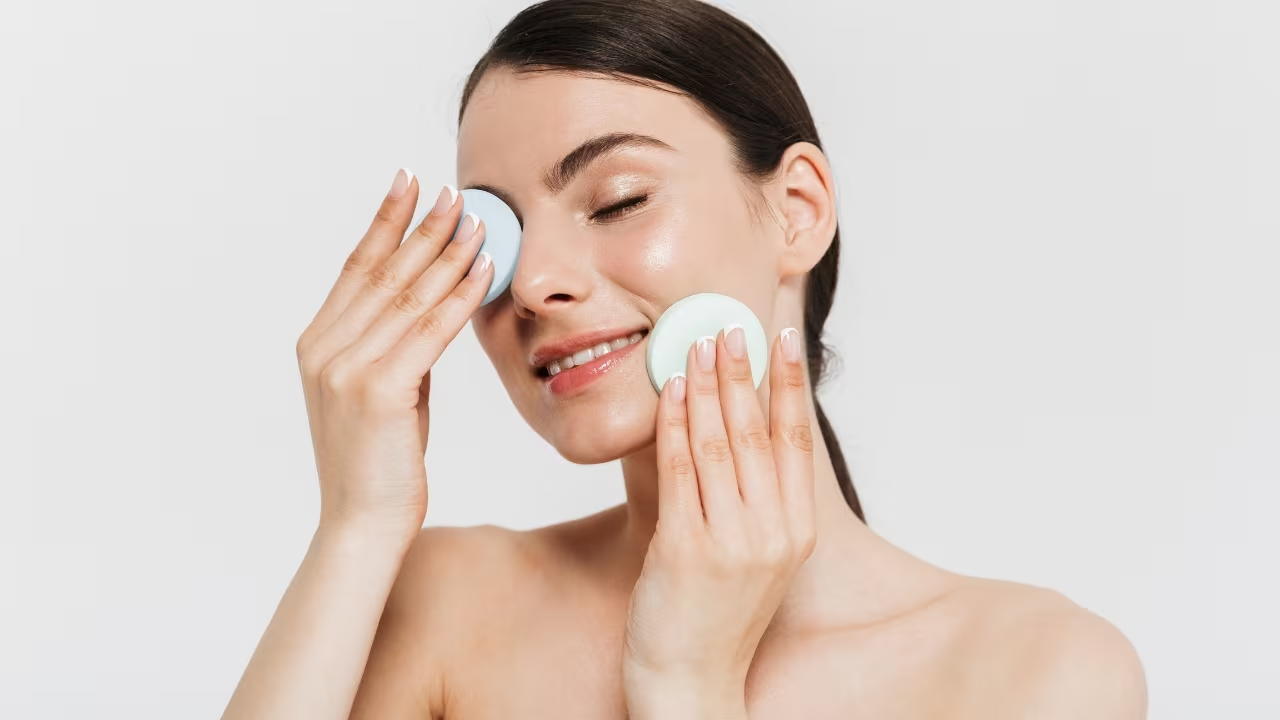

Caring for your skin does not require a complex multi-step regimen filled with expensive products and complicated instructions. The skin is a dynamic biological organ that functions according to natural physiological rhythms. In the morning, your skin focuses on defending itself against environmental stressors such as ultraviolet radiation, atmospheric pollution, and free radical damage. In the evening, the skin shifts into a restorative state, repairing cellular damage, shedding dead surface cells, and rebuilding its lipid barrier.
Building an effective skin care regimen comes down to aligning your product choices with these natural cycles. By establishing a dedicated morning defense routine and an evening recovery routine, you provide your skin with the precise support it requires at the right time. Understanding product layering principles, foundational active ingredients, and barrier maintenance allows you to achieve a healthy, resilient complexion without unnecessary steps or wasted effort.
Understanding the Difference Between Daytime and Nighttime Skin Needs
To create a balanced routine, you must first recognize why morning and evening products often serve distinct functions.
During daylight hours, the stratum corneum—the outermost layer of the epidermis—is exposed to continuous oxidative stress. Ultraviolet rays break down structural collagen fibers, while airborne particulate matter penetrates the pore lining, causing microscopic inflammation. Therefore, morning skin care is fundamentally preventative and protective.
At night, biological conditions shift. Transepidermal water loss increases, meaning moisture evaporates more rapidly from the skin surface during sleep. Concurrently, blood flow to the skin rises, accelerating cellular turnover and DNA repair. Nighttime products are formulated to replenish lost moisture, deliver concentrated corrective active ingredients, and support barrier integrity without the need for sun filters.
The Morning Skin Care Routine: Protect and Defend
The morning regimen should be streamlined, lightweight, and focused entirely on protection, hydration, and defense. Applying heavy creams or photosensitizing ingredients in the morning can leave your skin congested and vulnerable to sun sensitivity.
Step 1: Gentle Cleansing
The purpose of morning cleansing is to remove nighttime sweat, natural sebum, and residual evening products without stripping the skin of its essential moisture barrier.
-
For Dry or Sensitive Skin Types: A simple rinse with lukewarm water or a mild, non-foaming hydrating milk cleanser is sufficient to preserve delicate surface lipids.
-
For Oily or Acne-Prone Skin Types: A gentle, sulfate-free gel cleanser containing mild surfactants or low-concentration salicylic acid effectively dissolves overnight oil buildup without causing tightness.
-
Application Technique: Massage the cleanser onto damp skin using gentle circular motions with your fingertips for thirty to forty-five seconds, then rinse thoroughly with lukewarm water. Avoid hot water, which dilates capillaries and strips natural oils.
Step 2: Antioxidant Treatment Serum
Antioxidants neutralize reactive oxygen species generated by ultraviolet exposure and urban pollution before they can degrade healthy collagen and elastin fibers.
-
L-Ascorbic Acid (Vitamin C): The gold standard of daytime antioxidants. It brightens uneven skin tone, inhibits excess melanin synthesis, and works synergistically with sunscreen to boost photoprotection.
-
Complementary Antioxidants: Formulations that combine vitamin C with vitamin E and ferulic acid offer enhanced chemical stability and deeper skin penetration.
-
Alternative Options: If your skin is sensitive to pure vitamin C, alternatives such as niacinamide, green tea polyphenols, or resveratrol provide potent antioxidant defense without irritation.
Step 3: Lightweight Hydrating Moisturizer
Daytime moisturization maintains hydration levels and creates a smooth base for subsequent sun protection.
-
Look for formulations rich in humectants like hyaluronic acid, glycerin, and panthenol to bind water into the upper skin layers.
-
Choose a lightweight lotion, gel cream, or fluid emulsion that absorbs quickly without leaving a greasy residue that could interfere with sunscreen adherence.
Step 4: Broad-Spectrum Sunscreen (The Essential Step)
Sunscreen is the single most important product in any morning skin care routine. Daily ultraviolet exposure is responsible for up to eighty percent of visible facial skin aging, including fine lines, hyperpigmentation, and loss of structural elasticity.
-
Broad-Spectrum Rating: Ensure your sunscreen is labeled broad-spectrum, meaning it protects against both UVB rays (which cause sunburn) and UVA rays (which penetrate deeper to cause premature aging and cellular damage).
-
SPF Rating: Select a formula with an SPF rating of 30 or higher for daily use.
-
Filter Types: Chemical (organic) filters absorb UV rays and convert them to harmless heat, offering lightweight, invisible finishes. Mineral (inorganic) filters, such as zinc oxide and titanium dioxide, reflect and scatter UV rays, making them ideal for sensitive, reactive, or rosacea-prone skin.
-
Adequate Dosing: Apply approximately one-quarter teaspoon, or two full finger lengths, of sunscreen to the entire face and neck to achieve the stated SPF protection level.
The Evening Skin Care Routine: Cleanse, Correct, and Repair
The evening regimen focuses on thorough purification, targeted cellular correction, and deep barrier nourishment to support the body’s natural overnight regeneration.
Step 1: Thorough Cleansing or Double Cleansing
Throughout the day, your skin accumulates waterproof sunscreen, long-wear makeup, sebum, and environmental grime. A quick splash of water or a single mild cleanse is often inadequate to break down these oil-soluble compounds.
-
The First Cleanse: Use an oil-based cleanser, cleansing balm, or micellar water on dry skin. These lipid-rich formulas bind to waterproof makeup, sunscreen filters, and excess sebum, lifting them effortlessly off the skin surface.
-
The Second Cleanse: Follow immediately with a water-based gel or cream cleanser to wash away water-soluble impurities and residual cleansing oil, leaving the pores clean and primed for treatment products.
Step 2: Targeted Treatment Actives
Evening is the ideal time to apply powerful corrective ingredients that target specific concerns like texture, hyperpigmentation, fine lines, or active blemishes.
-
Retinoids (Vitamin A Derivatives): Retinol, retinaldehyde, and prescription tretinoin accelerate cellular turnover, stimulate fibroblasts to produce new collagen, unclog pores, and smooth skin texture. Because retinoids degrade under direct sunlight, they should be applied exclusively at night.
-
Chemical Exfoliants (AHAs and BHAs): Alpha hydroxy acids (like glycolic and lactic acid) dissolve the cellular glue holding dead skin cells together, revealing smoother, more radiant skin. Beta hydroxy acids (like salicylic acid) are oil-soluble, penetrating deep into pores to clear congestion.
-
Safety Protocol: Never apply retinoids and chemical exfoliants simultaneously in the same evening session. Alternate them on different nights to prevent barrier compromise and chemical burns.
Step 3: Nourishing Night Cream and Barrier Support
Your evening moisturizer should focus on barrier repair, lipid replenishment, and sealing in previous layers to mitigate overnight water loss.
-
Look for creams containing physiological lipids in balanced ratios: ceramides, cholesterol, and free fatty acids.
-
Ingredients like squalane, shea butter, and jojoba oil provide an emollient protective shield that keeps skin supple and comfortable until morning.
-
For individuals with severely dry or compromised skin, applying a thin layer of an occlusive ointment over your moisturizer can lock in hydration.
Morning and Evening Routine Blueprint
| Routine Phase | Primary Purpose | Key Step | Recommended Active Ingredients |
| Morning | Protection and Defense | Step 1: Gentle Cleanser | Glycerin, mild amino-acid surfactants |
| Morning | Protection and Defense | Step 2: Antioxidant Serum | L-Ascorbic acid, ferulic acid, niacinamide |
| Morning | Protection and Defense | Step 3: Light Moisturizer | Hyaluronic acid, sodium PCA, panthenol |
| Morning | Protection and Defense | Step 4: Sunscreen | Zinc oxide, avobenzone, SPF 30 or higher |
| Evening | Purification and Reset | Step 1: Double Cleanse | Cleansing balm followed by foaming gel |
| Evening | Cellular Repair | Step 2: Targeted Active | Retinoids, glycolic acid, or azelaic acid |
| Evening | Barrier Restoration | Step 3: Rich Night Cream | Ceramides, fatty acids, squalane, peptides |
Rules for Layering Skin Care Products Correctly
Applying products in the wrong sequence can prevent active ingredients from penetrating the skin and reduce the overall efficacy of your routine. Follow these universal rules for layering:
-
Thinnest to Thickest Consistency: Apply products starting with the lightest, most liquid textures and progress to the heaviest, most viscous formulas (e.g., watery essence, followed by light serum, lotion, rich cream, and finally face oil).
-
Water-Based Before Oil-Based: Water cannot easily penetrate an oil layer. Always apply water-soluble serums before applying oil-rich creams or facial oils.
-
Allow Proper Absorption Time: Allow treatment products, particularly vitamin C, chemical exfoliants, and retinoids, to dry and absorb for one to two minutes before layering the next product to minimize pilling and dilution.
-
Sunscreen is Always the Final Morning Step: Sunscreen forms a continuous protective film on the surface of the skin. Applying other skin care products on top of your sunscreen disrupts this protective shield and leaves your skin vulnerable to UV damage.
Frequently Asked Questions
How long does it take to see visible results from a new skin care routine?
Skin cell turnover takes approximately twenty-eight to forty days in adults, with the cycle lengthening as we age. While basic hydrating moisturizers provide immediate surface relief within hours, active ingredients like retinoids, vitamin C, and chemical exfoliants require eight to twelve weeks of consistent use before noticeable improvements in skin texture, tone, and fine lines become visible.
Is it necessary to wash your face with a cleanser in the morning?
Not for everyone. If you have dry, sensitive, or compromised skin, cleansing with a foaming wash twice a day can strip away natural barrier lipids. Rinsing your face with lukewarm water in the morning is often sufficient to prepare the skin for daytime serums and sunscreen. However, individuals with oily or acne-prone skin typically benefit from a gentle morning cleanser to remove overnight sebum accumulation.
What is the sandwich method for applying retinoids, and when should it be used?
The sandwich method involves applying a thin layer of basic moisturizer, letting it dry, applying your retinoid, and then finishing with another layer of moisturizer on top. This buffering technique slows the rate of retinoid absorption into the skin, significantly reducing redness, flaking, and dryness while allowing the skin to build tolerance to the active ingredient.
How should someone introduce a new active ingredient into their routine without causing irritation?
Always introduce one new active product at a time, performing a patch test on the inner forearm or behind the ear for twenty-four hours to check for allergic reactions. When adding potent actives like retinoids or exfoliating acids, begin by using them just once or twice a week, gradually increasing frequency over several weeks as your skin demonstrates tolerance.
Can niacinamide and vitamin C be used together in the same routine?
Yes. Historical concerns that combining niacinamide and vitamin C would cancel each other out or cause facial flushing were based on outdated laboratory studies using unstable ingredient forms at high temperatures. Modern, well-formulated cosmetic products allow these two ingredients to be used together safely, providing complementary antioxidant, brightening, and barrier-strengthening benefits.
What are the primary signs of a damaged skin barrier, and how should you fix it?
A damaged skin barrier typically presents as persistent stinging when applying basic products, unexpected redness, rough texture, increased sensitivity, and tight yet oily-looking skin. To repair a compromised barrier, immediately discontinue all active treatments (retinoids, exfoliants, and strong acids) and simplify your routine to a gentle cleanser, a rich ceramide-based cream, and sunscreen until the skin feels calm and comfortable.
At what age should a person begin incorporating preventative anti-aging products?
Daily broad-spectrum sun protection should be practiced from childhood onward, as UV prevention is the most effective anti-aging strategy available. For targeted active ingredients, incorporating an antioxidant serum like vitamin C in your early twenties helps neutralize daily environmental damage, while gentle retinoids can be introduced in your mid-to-late twenties to support natural collagen synthesis as cellular turnover begins to slow down.

Comments are closed.