
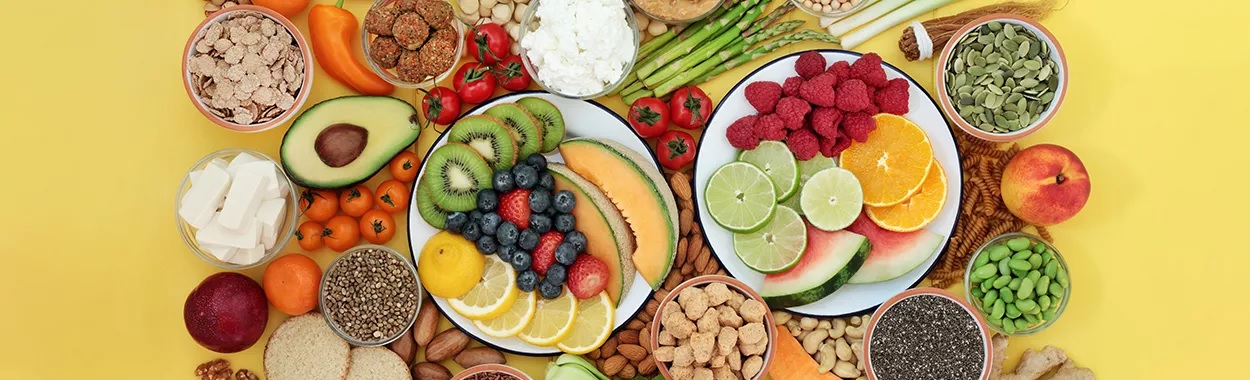

In today’s fast-paced world, achieving optimal health is not solely about eating less or following the latest food trend. It requires a deep understanding of nutrition science, metabolic processes, and lifestyle integration. Implementing effective diet tips can improve energy levels, support weight management, enhance mental clarity, and reduce the risk of chronic diseases. Developing a diet strategy that aligns with your personal health goals is essential for sustainable results.
The foundation of a successful diet lies not only in calorie control but in nutrient density, food timing, and understanding how your body responds to different macronutrients and micronutrients. Integrating scientifically backed approaches can transform how you feel daily, prevent nutrient deficiencies, and enhance overall vitality.
Understanding the Core Principles of Nutrition
Macronutrients: Balancing Proteins, Carbohydrates, and Fats
Macronutrients are the primary building blocks of your diet. Each plays a distinct role in energy production, cellular function, and hormonal balance.
-
Proteins are crucial for muscle repair, enzyme production, and immune system support. Lean sources like poultry, fish, legumes, and low-fat dairy provide essential amino acids.
-
Carbohydrates serve as the body’s primary energy source. Prioritize complex carbohydrates, such as whole grains, vegetables, and fruits, to maintain stable blood sugar levels and prolonged energy.
-
Fats are vital for hormone synthesis, brain health, and cellular integrity. Healthy fats include monounsaturated and polyunsaturated fats found in avocados, nuts, seeds, and fatty fish.
Balancing these macronutrients based on activity level, age, and health goals is key to maintaining metabolic efficiency and preventing nutrient deficiencies.
Micronutrients: Vitamins and Minerals Matter
Vitamins and minerals are often overlooked in casual diet planning but are critical for overall health. Micronutrients influence energy metabolism, immune response, bone density, and cognitive function. For example:
-
Vitamin D supports bone health and immune function. Natural sources include sunlight exposure, fortified dairy, and fatty fish.
-
Magnesium aids muscle relaxation, nerve function, and energy production. Leafy greens, nuts, and seeds are rich sources.
-
Iron is essential for oxygen transport and energy metabolism. Red meat, lentils, and spinach provide bioavailable iron, while pairing plant sources with vitamin C improves absorption.
Monitoring micronutrient intake can prevent deficiencies that often manifest as fatigue, mood disturbances, or weakened immunity.
Personalized Diet Tips for Maximum Results
1. Prioritize Nutrient Timing
Eating at strategic times can optimize energy utilization and metabolic efficiency.
-
Pre-Workout Nutrition: Consuming carbohydrates with moderate protein 60–90 minutes before exercise can improve performance and endurance. Examples include oatmeal with yogurt or a banana with peanut butter.
-
Post-Workout Recovery: Protein combined with carbohydrates within 30–60 minutes post-exercise enhances muscle repair and glycogen replenishment. Options include grilled chicken with quinoa or a smoothie with protein powder and fruit.
-
Circadian Alignment: Eating larger meals earlier in the day may improve metabolism, regulate hormones, and support weight management.
2. Focus on Food Quality, Not Just Calories
While caloric balance is important, nutrient density provides long-term benefits. Prioritize whole, minimally processed foods rich in vitamins, minerals, fiber, and antioxidants. Avoid excessive refined sugars, trans fats, and highly processed snacks, which can lead to inflammation, insulin resistance, and energy crashes.
3. Implement Mindful Eating Practices
Mindful eating enhances digestion, prevents overeating, and promotes a healthy relationship with food. Key practices include:
-
Eating slowly and chewing thoroughly to facilitate nutrient absorption.
-
Avoiding distractions, such as screens, to stay attuned to hunger and satiety cues.
-
Recognizing emotional triggers that lead to unnecessary snacking.
4. Optimize Hydration
Adequate hydration is essential for nutrient transport, digestion, and metabolic processes. Water consumption varies depending on activity, climate, and body composition, but a general guideline is 8–10 glasses per day. Incorporate hydrating foods like cucumbers, watermelon, and leafy greens for added benefit.
5. Include Functional Foods
Functional foods provide bioactive compounds that enhance health beyond basic nutrition. Examples include:
-
Fatty Fish: Rich in omega-3 fatty acids, supporting cardiovascular health and cognitive function.
-
Berries: Packed with antioxidants and polyphenols, which reduce inflammation and oxidative stress.
-
Fermented Foods: Yogurt, kefir, kimchi, and sauerkraut promote gut microbiome diversity and digestive health.
6. Personalize Portion Sizes
Portion control is critical for weight management and metabolic regulation. Using hand-based measurements can simplify serving sizes without complex calculations:
-
Protein: Palm-sized portion per meal.
-
Carbohydrates: Fist-sized portion per meal.
-
Fats: Thumb-sized portion per meal.
-
Vegetables: Two cupped hands per meal.
Adjust portions according to activity level and body composition goals.
Advanced Diet Strategies for Specific Goals
Weight Management
For sustainable fat loss or weight gain, consider integrating:
-
High-Protein Diets: Promote satiety and preserve lean muscle mass.
-
Low-Glycemic Index Carbs: Maintain stable blood sugar and reduce insulin spikes.
-
Intermittent Fasting: Structured eating windows may support fat metabolism and improve insulin sensitivity.
Muscle Building and Strength
Individuals focusing on hypertrophy or strength gain should emphasize:
-
Protein Distribution: Spread intake across 3–5 meals to enhance muscle protein synthesis.
-
Caloric Surplus with Nutrient Quality: Consume slightly more calories than expended while prioritizing whole foods.
-
Post-Workout Nutrition: Quick-digesting protein sources like whey or egg whites aid recovery.
Mental Health and Cognitive Support
Nutrition directly impacts mood and cognitive function. Essential strategies include:
-
Omega-3 Fatty Acids: Improve neurotransmitter function and reduce inflammation.
-
B Vitamins: Support energy metabolism and nerve health. Whole grains, eggs, and leafy greens are key sources.
-
Polyphenol-Rich Foods: Dark chocolate, berries, and green tea may enhance brain health.
Gut Health Optimization
Gut health plays a central role in nutrient absorption, immunity, and mood regulation. Key tips include:
-
Incorporating prebiotics (onions, garlic, asparagus) to feed healthy gut bacteria.
-
Including probiotics through fermented foods to maintain microbial diversity.
-
Limiting excessive sugar and processed foods, which can disrupt microbiome balance.
Lifestyle Factors That Complement Diet
Diet effectiveness is enhanced when combined with supportive lifestyle habits:
-
Regular Physical Activity: Strength training, cardiovascular exercise, and mobility work enhance metabolic efficiency and nutrient utilization.
-
Sleep Hygiene: 7–9 hours of quality sleep regulate hunger hormones, improve insulin sensitivity, and support recovery.
-
Stress Management: Chronic stress affects appetite, digestion, and fat storage. Techniques like mindfulness, yoga, or deep breathing can mitigate these effects.
Common Pitfalls to Avoid
-
Overemphasis on Fad Diets: Rapid, restrictive diets can lead to nutrient deficiencies, muscle loss, and metabolic slowdown.
-
Neglecting Micronutrients: Focusing only on calories or macronutrients may compromise overall health.
-
Inconsistent Meal Timing: Erratic eating patterns can disrupt circadian rhythms and metabolic function.
-
Ignoring Hydration and Electrolytes: Dehydration can impair performance, cognition, and digestion.
Real-Life Applications and Practical Tips
-
Meal Planning: Prepare meals in advance to avoid reliance on processed convenience foods.
-
Balanced Snacks: Pair protein with complex carbohydrates or healthy fats to maintain energy levels between meals.
-
Smart Grocery Shopping: Choose fresh produce, lean proteins, and whole grains, and limit purchases of sugary snacks and beverages.
-
Tracking Progress: Use journals, apps, or photos to monitor dietary adherence, energy levels, and body composition changes.
FAQs About Diet Tips
1. Can these diet tips work for all age groups?
Yes, but macronutrient ratios, calorie needs, and micronutrient requirements should be adjusted based on age, activity level, and health status.
2. How quickly can I expect results from implementing these strategies?
Visible changes vary, but most individuals notice improvements in energy, digestion, and mood within 2–4 weeks. Long-term body composition changes may take several months.
3. Are supplements necessary if I follow these diet tips?
Supplements may help fill gaps, particularly for vitamin D, omega-3s, or iron, but a nutrient-dense diet should be the primary focus.
4. Can I combine these tips with intermittent fasting?
Yes, provided nutrient-dense meals are consumed during eating windows to meet macronutrient and micronutrient needs.
5. How can I manage cravings while following these strategies?
Include balanced meals with adequate protein, fiber, and healthy fats. Mindful eating and strategic indulgences in moderation can prevent binge behaviors.
6. Do these diet tips require strict tracking of calories?
Not necessarily. Focusing on whole, nutrient-rich foods and listening to hunger and satiety cues is often sufficient for most individuals.
7. How important is hydration in achieving dietary goals?
Extremely important. Proper hydration supports metabolism, digestion, mental clarity, and exercise performance, all of which are critical for achieving dietary goals.
Implementing these diet tips involves combining evidence-based nutrition strategies with personalized adjustments for lifestyle, activity level, and health objectives. The goal is sustainable wellness, improved metabolic function, and long-term vitality.

Comments are closed.