
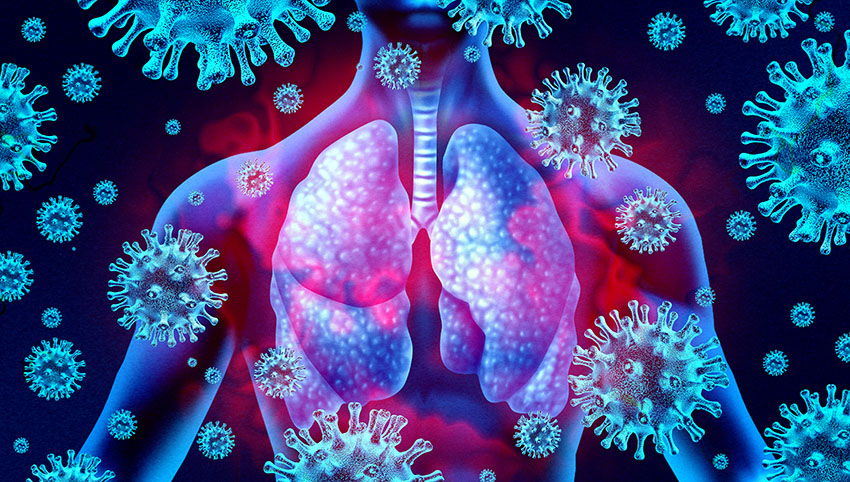

Disease is a complex and multifaceted phenomenon that affects humans across all stages of life. It is not simply the presence of physical symptoms but a disruption of the body’s normal physiological processes, often influenced by genetic, environmental, and lifestyle factors. Understanding the mechanisms behind disease is critical for developing effective prevention, early detection, and management strategies. With advances in medical research, personalized medicine, and public health initiatives, individuals now have more tools than ever to protect themselves against chronic and acute illnesses.
Diseases can broadly be classified into infectious and non-infectious categories, each requiring specific approaches for prevention and management. Infectious diseases result from pathogenic organisms such as bacteria, viruses, fungi, or parasites, whereas non-infectious diseases often emerge due to genetic mutations, environmental exposures, lifestyle factors, or autoimmune dysfunction. Both types of disease can significantly impact quality of life, healthcare systems, and public health outcomes.
Causes and Risk Factors of Disease
Genetic and Hereditary Factors
Genetics play a foundational role in the susceptibility to certain diseases. Hereditary factors can predispose individuals to conditions such as cystic fibrosis, sickle cell anemia, type 1 diabetes, and specific cancers. Genetic mutations can alter cellular functions, immune responses, or metabolic pathways, making early genetic screening and counseling an important preventive tool. Understanding family medical history helps identify risk patterns and allows for proactive health monitoring.
Environmental Factors
Environmental exposures significantly influence disease development. Polluted air and water, occupational hazards, chemical toxins, and ultraviolet radiation can trigger respiratory disorders, cancers, and dermatological conditions. Long-term exposure to environmental pollutants can also contribute to cardiovascular and neurological diseases. Minimizing exposure through clean living environments, protective equipment, and environmental regulations is crucial for disease prevention.
Lifestyle and Behavioral Factors
Lifestyle choices are closely linked to non-infectious diseases, particularly metabolic and cardiovascular disorders. Key risk factors include:
-
Dietary Habits: High consumption of processed foods, added sugars, and trans fats can lead to obesity, type 2 diabetes, and cardiovascular disease. Diets rich in fruits, vegetables, lean proteins, and whole grains are protective.
-
Physical Activity: Sedentary behavior is associated with obesity, insulin resistance, hypertension, and musculoskeletal problems. Regular exercise improves circulation, maintains healthy weight, and strengthens immunity.
-
Substance Use: Smoking, excessive alcohol intake, and drug abuse contribute to cancers, liver disease, and pulmonary conditions. Avoidance or cessation of these habits significantly reduces disease risk.
-
Stress and Sleep: Chronic stress and sleep deprivation impact immune function, hormone regulation, and mental health, increasing susceptibility to both acute and chronic illnesses.
Infectious Agents
Pathogens are responsible for many acute and chronic diseases worldwide. Key categories include:
-
Bacteria: Cause diseases like tuberculosis, strep throat, and urinary tract infections. Antibiotic therapy is essential but requires careful use to prevent resistance.
-
Viruses: Responsible for influenza, HIV/AIDS, hepatitis, and COVID-19. Vaccination, antiviral treatments, and hygiene measures are primary preventive strategies.
-
Fungi: Fungal infections can affect skin, lungs, and systemic organs, especially in immunocompromised individuals. Antifungal medications are effective treatments.
-
Parasites: Malaria, schistosomiasis, and other parasitic diseases are prevalent in specific geographic areas and often require targeted public health interventions.
Immune System Dysfunction
Autoimmune and inflammatory conditions occur when the immune system mistakenly attacks the body’s own tissues. Examples include rheumatoid arthritis, multiple sclerosis, lupus, and type 1 diabetes. These diseases often involve chronic inflammation, tissue damage, and systemic symptoms. Early diagnosis and immunomodulatory therapies can reduce progression and improve quality of life.
Prevention Strategies for Disease
Vaccination and Immunization
Vaccines have revolutionized public health by preventing a range of infectious diseases. Immunization programs have eradicated or controlled illnesses such as smallpox, polio, measles, and hepatitis B. Timely vaccination, including boosters, enhances herd immunity and reduces community transmission.
Nutritional Interventions
Proper nutrition supports immune function and reduces chronic disease risk. Key strategies include:
-
Ensuring adequate intake of vitamins and minerals such as vitamin C, vitamin D, zinc, and selenium, which are essential for immune health.
-
Prioritizing antioxidant-rich foods like berries, leafy greens, and nuts to reduce oxidative stress and inflammation.
-
Limiting processed foods, excess salt, and sugar to prevent metabolic and cardiovascular conditions.
Regular Screening and Early Detection
Early detection is a critical aspect of disease management. Screening programs for cancers, diabetes, hypertension, and cholesterol abnormalities allow for early intervention, improving outcomes and survival rates. Recommended screenings vary by age, sex, and risk factors. For example:
-
Mammograms and Pap smears for women to detect breast and cervical cancers.
-
Colonoscopies for adults over 45 to identify colorectal cancer.
-
Blood pressure and cholesterol checks to prevent cardiovascular disease.
Hygiene and Sanitation
Maintaining personal hygiene and sanitation prevents infectious disease transmission. Practices such as handwashing, safe food handling, proper waste disposal, and clean water access are fundamental to reducing pathogen exposure.
Lifestyle Modifications
Adopting a healthy lifestyle is one of the most effective ways to prevent non-infectious diseases:
-
Exercise regularly: Aim for at least 150 minutes of moderate-intensity aerobic activity per week.
-
Maintain a healthy weight: Reduces risk for diabetes, heart disease, and joint problems.
-
Avoid smoking and limit alcohol: Protects respiratory, hepatic, and cardiovascular systems.
-
Manage stress: Meditation, deep breathing, and counseling improve mental and physical health.
Management and Treatment of Disease
Pharmacological Therapies
Medications remain a cornerstone of disease management. Antibiotics, antivirals, antifungals, and antiparasitic agents target specific pathogens, while medications for chronic conditions include antihypertensives, insulin, statins, and immunosuppressants. Appropriate prescription use, adherence, and monitoring reduce complications and enhance treatment effectiveness.
Surgical and Procedural Interventions
Certain diseases require surgical interventions, from appendectomies to organ transplants. Minimally invasive procedures and advancements in surgical technology have reduced recovery times and improved outcomes.
Lifestyle and Behavioral Therapy
Many chronic diseases benefit from non-pharmacological interventions:
-
Diabetes: Blood sugar control through diet, exercise, and continuous glucose monitoring.
-
Cardiovascular disease: Lifestyle interventions including heart-healthy diets, physical activity, and stress reduction.
-
Mental health disorders: Cognitive behavioral therapy, mindfulness practices, and social support networks improve coping and symptom management.
Rehabilitation and Long-Term Care
Diseases that cause functional impairment may require rehabilitation services such as physical therapy, occupational therapy, or speech therapy. Chronic disease management often involves long-term monitoring and adjustments to ensure optimal quality of life.
Emerging Research and Innovations
Medical research continuously enhances disease prevention and management:
-
Precision Medicine: Tailoring treatments based on genetic, environmental, and lifestyle factors improves efficacy.
-
Immunotherapy: Leveraging the immune system to fight cancers and autoimmune diseases shows promising results.
-
Telemedicine: Remote monitoring and virtual consultations improve access to care, particularly in underserved regions.
-
Microbiome Research: Understanding gut flora influences immune function, digestion, and metabolic health, opening new avenues for therapy.
Real-Life Application of Disease Prevention
-
Community Health Programs: Vaccination drives, health education, and sanitation initiatives reduce disease burden.
-
Personal Health Monitoring: Wearables and health apps help track vital signs, sleep, and activity levels.
-
Nutrition Planning: Personalized meal plans ensure balanced intake of macronutrients and micronutrients.
-
Preventive Checkups: Routine screenings allow for early detection and reduce long-term healthcare costs.
FAQs About Disease
1. What is the difference between acute and chronic disease?
Acute diseases develop quickly and last a short time, such as influenza or food poisoning. Chronic diseases progress slowly and persist over months or years, like diabetes or heart disease.
2. How can lifestyle changes prevent disease?
Adopting healthy eating habits, exercising regularly, managing stress, and avoiding harmful substances improve immune function and reduce the risk of metabolic, cardiovascular, and chronic inflammatory conditions.
3. Are all diseases preventable?
Not all diseases are preventable, particularly those with strong genetic components. However, many infectious and lifestyle-related diseases can be significantly reduced through preventive measures.
4. Can stress contribute to disease development?
Yes, chronic stress affects hormone regulation, immune response, and cardiovascular health, increasing susceptibility to infections and chronic conditions. Stress management is a key preventive strategy.
5. What role does early diagnosis play in disease management?
Early detection allows for prompt treatment, reducing complications, improving survival rates, and minimizing long-term health impacts.
6. How does nutrition affect disease risk?
Proper nutrition supports immune function, reduces inflammation, and prevents obesity-related and metabolic diseases. Nutrient-rich diets strengthen the body’s defenses against infections and chronic illnesses.
7. Can technology help in disease prevention and management?
Yes, wearable devices, telemedicine, and mobile health apps enable continuous monitoring, early detection, and better adherence to treatment plans, enhancing overall disease management.

Comments are closed.