
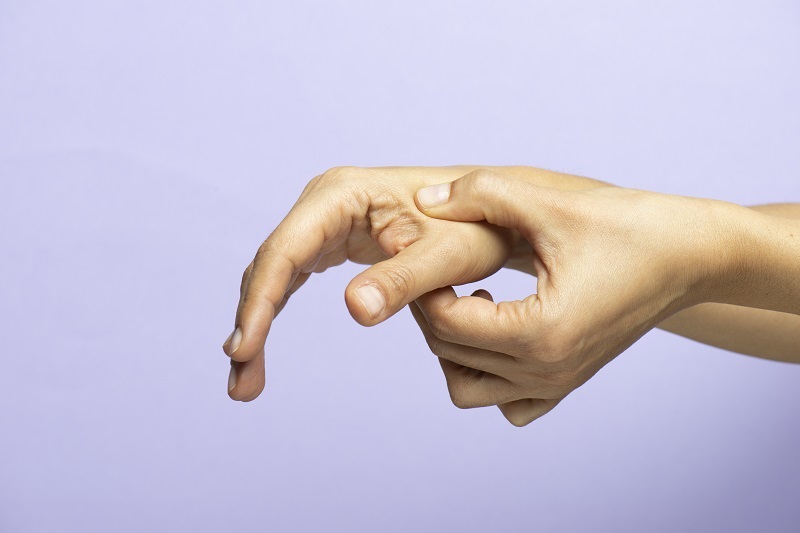

For thousands of years, traditional healing systems have recognized the human body as an interconnected network of physical structures, biological fluids, and energetic pathways. Among the most enduring modalities developed within this holistic paradigm is acupressure. Originating as a foundational pillar of Traditional Chinese Medicine, acupressure is an ancient bodywork therapy that utilizes the strategic stimulation of specific anatomical locations known as pressure points.
Rather than relying on pharmaceuticals or invasive surgical interventions, acupressure applies targeted manual pressure to these specialized sites to encourage the body natural regulatory and self-healing mechanisms. Understanding the role of pressure points requires exploring their historical context, energetic foundations, modern neurophysiological correlates, and clinical applications across diverse wellness challenges.
The Philosophical and Energetic Foundations of Acupressure
To appreciate the significance of pressure points in classical practice, one must first explore the conceptual framework of Traditional Chinese Medicine. Within this philosophy, health is defined as a harmonious state of dynamic equilibrium between opposing yet complementary forces known as Yin and Yang.
-
The Concept of Vital Energy (Qi): Classical medical texts describe Qi as the foundational life force that animates all physiological activity, circulates bodily fluids, and protects against external environmental pathogens.
-
The Meridian Network (Jing Luo): Qi flows through a vast, organized circulatory network of twelve primary meridians and eight extraordinary vessels. These channels course through the deep interior organs and emerge along the superficial layers of muscle and skin.
-
Acupoints as Gateways (Xue): Pressure points, translated classically as cavities or openings, represent specific locations along the meridian pathways where internal Qi concentrates close to the skin surface. When Qi flows smoothly through these nodes, vitality flourishes; when trauma, poor posture, emotional distress, or poor diet obstructs these pathways, localized disharmony and systemic illness manifest.
By applying precise physical compression to these junction nodes, an acupressure practitioner clears energetic blockages, balances organ systems, and restores the uninterrupted circulation of vital resources throughout the entire body.
The Modern Neurophysiological Perspective on Pressure Points
While traditional terminology describes pressure points using poetic energetic metaphors, modern biomedical research has begun translating these concepts into verifiable neuroanatomy and cellular physiology. Contemporary scientific investigations demonstrate that traditional acupoints are not arbitrary markings, but biologically distinct anatomical loci.
High-Density Neurovascular Bundles
Histological and anatomical studies reveal that classical pressure points correlate strongly with areas featuring dense concentrations of free nerve endings, small arterioles, lymphatic vessels, and mast cells.
-
Mechanoreceptor Activation: Applying physical force stimulates specialized mechanosensory receptors in the skin and fascia, including Pacinian corpuscles, Meissner corpuscles, and Merkel discs. These receptors convert mechanical pressure into electrical nerve impulses that travel rapidly along peripheral nerve pathways directly to the spinal cord and brain.
-
The Fascial Continuum: Acupoints frequently align with planes of connective tissue and intermuscular septa. Mechanical deformation of collagen-rich fascia triggers piezo-electric signaling and cellular communication, promoting systemic tissue remodeling far beyond the local site of contact.
Endorphin Release and Pain Gate Modulation
The analgesic effects of pressure point therapy operate through well-documented neurological pathways.
-
Gate Control Theory of Pain: The manual stimulation of large, myelinated sensory nerve fibers overrides and blocks slower, unmyelinated pain signaling fibers within the dorsal horn of the spinal cord, effectively closing the neurological gate to pain perception before it reaches the cerebral cortex.
-
Endogenous Opioid Production: Sustained pressure prompts the pituitary gland and midbrain to release beta-endorphins, enkephalins, and dynorphins. These natural neurochemicals bind to opioid receptors throughout the central nervous system, raising overall pain thresholds and inducing deep systemic relaxation.
-
Parasympathetic Tone Elevation: Stimulating specific cranial and somatic reflex points downregulates sympathetic fight-or-flight reactivity while enhancing vagal nerve activity, lowering resting heart rate, reducing arterial blood pressure, and supporting healthy gastrointestinal digestion.
Key Foundational Pressure Points and Their Traditional Functions
Traditional medical texts identify hundreds of distinct acupressure points across the human body, each associated with specific organ systems, meridian trajectories, and physiological influences. Several foundational points are widely utilized due to their broad clinical efficacy.
Large Intestine 4 (Hegu)
Located in the fleshy web between the thumb and index finger on the dorsum of the hand, Large Intestine 4 is recognized as one of the most powerful systemic points in Asian bodywork therapy.
-
Traditional Classification: The Yuan-Source point of the Large Intestine channel and the primary command point for the head, neck, and face.
-
Clinical Indications: Commonly stimulated to relieve frontal tension headaches, sinus pressure, toothaches, jaw pain, and acute stress.
-
Energetic Function: Expels pathogenic wind, clears inflammatory heat, and strongly circulates stagnant Qi throughout the upper extremities.
Pericardium 6 (Neiguan)
Situated on the inner forearm, approximately three finger-widths above the wrist crease between the two central tendons, Pericardium 6 is renowned for its calming and anti-emetic actions.
-
Traditional Classification: The Luo-Connecting point of the Pericardium meridian and the master point of the Yin Linking Vessel.
-
Clinical Indications: Widely applied for motion sickness, morning sickness during pregnancy, post-operative nausea, cardiac palpitations, and emotional anxiety.
-
Energetic Function: Unbinds the chest, regulates rebellious stomach energy, and calms the Shen (mind and spirit).
Spleen 6 (Sanyinjiao)
Positioned four finger-widths directly above the tip of the inner ankle bone behind the posterior border of the tibia, Spleen 6 holds unique significance as an energetic crossroad.
-
Traditional Classification: The intersection point of the three primary Yin channels of the leg: the Spleen, Liver, and Kidney meridians.
-
Clinical Indications: Utilized for pelvic discomfort, digestive irregularities, menstrual cramps, abdominal bloating, and sleep disturbances.
-
Energetic Function: Nourishes deep blood reserves, harmonizes lower abdominal organs, and tonifies the digestive fire.
Liver 3 (Taichong)
Found on the top of the foot in the hollow depression between the first and second metatarsal bones, Liver 3 serves as a primary release valve for physical and emotional tension.
-
Traditional Classification: The Shu-Stream and Yuan-Source point of the Liver channel.
-
Clinical Indications: Targeted to alleviate temporal migraines, eye strain, high irritability, muscle spasms, and hypertensive symptoms.
-
Energetic Function: Smooths the flow of stagnant Liver Qi, anchors rising Yang energy, and clears hepatic fire.
Stomach 36 (Zusanli)
Located approximately four finger-widths below the lower border of the kneecap, one finger-breadth lateral to the anterior crest of the tibia, Stomach 36 is celebrated as the ultimate vitality point.
-
Traditional Classification: The He-Sea and Earth point of the Stomach meridian.
-
Clinical Indications: Applied for chronic fatigue, poor nutrient absorption, general muscular weakness, and lower limb stiffness.
-
Energetic Function: Tonifies post-natal Qi, fortifies digestive capacity, and strengthens foundational immune defenses.
Core Acupressure Points and Clinical Profiles
| Acupoint Name | Anatomical Location | Meridian Association | Primary Indication | Neurobiological Mechanism |
| Large Intestine 4 (Hegu) | Hand web between thumb and index | Large Intestine Channel | Headaches, facial pain, stress | Trigeminal nerve pathway inhibition |
| Pericardium 6 (Neiguan) | Inner forearm between two tendons | Pericardium Channel | Nausea, motion sickness, anxiety | Vagal stimulation, vestibular balance |
| Spleen 6 (Sanyinjiao) | Inner lower leg above medial malleolus | Spleen, Liver, Kidney Channels | Menstrual pain, insomnia, digestion | Pelvic autonomic nerve modulation |
| Liver 3 (Taichong) | Dorsum of foot between big and second toe | Liver Channel | Irritability, eye strain, muscle tension | Sympathetic nervous system down-regulation |
| Stomach 36 (Zusanli) | Lower lateral side of the knee | Stomach Channel | Exhaustion, digestive stagnation | Immune cell activation, endorphin release |
| Gallbladder 20 (Fengchi) | Base of skull in occipital hollows | Gallbladder Channel | Neck stiffness, dizziness, colds | Suboccipital muscle spasm release |
Manual Techniques and Application Principles
The therapeutic outcome of stimulating a pressure point depends heavily on the angle, depth, duration, and mechanical intention applied during the session.
-
Perpendicular Sustained Compression: The practitioner applies firm, continuous pressure directly perpendicular to the skin surface using the thumb pad, finger pulp, or elbow. This technique is typically held for one to three minutes to calm acute tension, deactivate trigger points, and anchor hyperactive energy.
-
Rotational Circular Kneading: Moving the thumb or fingertips in small, concentric circles over the point site improves localized vascular flow, stimulates lymphatic drainage, and disperses accumulated muscular knots.
-
Vibrational and Intermittent Pulsing: Utilizing rapid, rhythmic pulsing over the pressure point awakens sluggish tissue, stimulates sensory mechanoreceptors, and energizes deficient meridian pathways without over-sedating the nervous system.
-
Breathing Synchronization: Manual force is systematically coordinated with the recipient respiratory cycle. Pressure is applied gradually as the individual exhales to facilitate muscular surrender, and gently released as the person inhales fresh oxygen.
The De Qi Sensation: Recognizing Point Engagement
In authentic acupressure practice, correct point location is verified not only through anatomical measurement (proportional cun units), but through the appearance of a distinct sensory response known in traditional literature as De Qi.
When the practitioner thumb locates the precise functional center of a pressure point, the recipient typically experiences a unique combination of sensations rather than sharp surface pain. This sensation often manifests as a deep, dull ache, a feeling of mild warmth, a spreading tingling wave, or a localized heaviness beneath the skin.
Concurrently, the practitioner palpates a subtle physical change, feeling the surrounding connective tissue and muscle fibers grip or soften around the thumb pad. This neurovascular engagement signals that the point has been successfully activated and therapeutic regulation is underway.
Frequently Asked Questions
What is the proportional cun measurement system used to locate pressure points?
The cun is a traditional Chinese relative anatomical measurement unit based on the dimensions of the recipient own body rather than fixed inches or centimeters. For example, the width of the interphalangeal joint of a person thumb equals one cun, while the combined width of their four fingers held flat equals three cun. Using proportional measurements ensures points are accurately mapped regardless of the individual height, weight, or bone structure.
How does the depth of applied pressure alter the therapeutic effect of a point?
Light, superficial contact primarily influences cutaneous nerve endings, lymphatic vessels, and superficial energetic channels, producing a soothing, sedative effect ideal for frail or highly anxious individuals. Moderate to deep perpendicular compression penetrates deeper fascial layers, intermuscular trigger points, and vascular bundles, making it suitable for resolving chronic musculoskeletal pain, joint restrictions, and stubborn muscle spasms.
Why do some pressure points feel tender even when no injury is present?
Tenderness at an acupoint indicates localized neurogenic inflammation, tissue ischemia, or meridian stagnation. When stress, postural strain, or internal organ dysfunction occurs, corresponding reflex points experience microscopic fluid congestion, increased substance P concentration, and heightened nociceptor sensitivity, causing the point to register tenderness upon gentle palpation.
How do modern acupressure mats work compared to individualized manual therapy?
Acupressure mats feature thousands of rigid plastic spikes that distribute pressure across broad surface areas of the back, neck, or feet simultaneously. While they lack the targeted diagnostic precision of a practitioner hands, they deliver non-specific sensory stimulation that elevates cutaneous microcirculation, triggers diffuse endorphin release, and promotes general parasympathetic relaxation.
Can stimulating pressure points produce negative side effects if performed incorrectly?
When performed correctly, acupressure is remarkably safe. However, applying excessive or abrupt force can cause localized bruising, muscle soreness, or lightheadedness. Stimulating strongly downward-draining points during pregnancy, or pressing directly over acute fractures, active blood clots, open dermatological lesions, or inflamed joints can exacerbate underlying medical conditions.
What is the difference between an anatomical trigger point and a classical acupressure point?
While developed independently within modern Western medicine, myofascial trigger points and classical acupressure points share significant anatomical and functional overlap. Research shows that over 70 percent of identified myofascial trigger points correspond directly with classical acupoint locations. The main distinction lies in framework: trigger points focus specifically on localized taut bands and referred muscular pain, whereas acupressure points address both localized musculoskeletal issues and broader systemic organ balance.
Why should individuals avoid drinking ice-cold beverages immediately after an acupressure session?
Traditional medicine advises consuming warm water or herbal tea rather than cold liquids following an acupressure treatment. Cold temperatures constrict blood vessels and shock the digestive tract, which can stall the enhanced microcirculation, lymphatic drainage, and balanced metabolic warmth generated during the therapeutic session.

Comments are closed.