
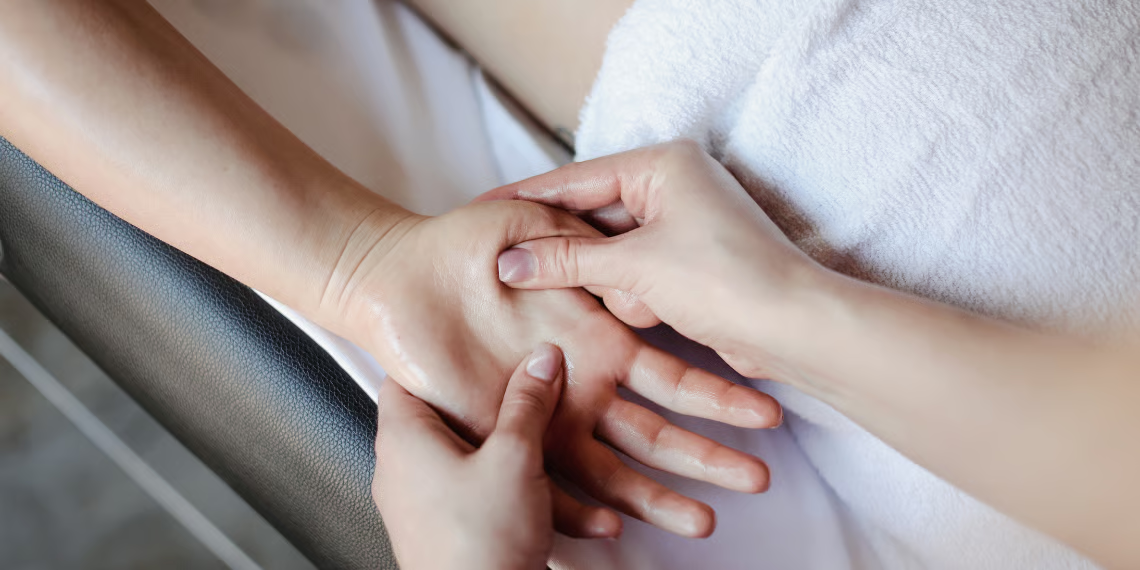

As more people look for holistic and non-invasive methods to support their health, complementary therapies have gained widespread acceptance. Among these modalities, acupressure stands out as a time-tested approach for managing chronic tension, musculoskeletal discomfort, digestive distress, and nervous system strain. Rooted in the principles of Traditional Chinese Medicine, acupressure utilizes manual pressure applied to specific anatomical points along the body energy pathways to stimulate circulation, encourage muscular release, and support natural self-regulation.
While acupressure does not involve the insertion of needles like acupuncture, it requires sophisticated knowledge of human anatomy, neurovascular pathways, and traditional channel theory. The growing popularity of the field has led to a wide range of practitioner backgrounds, from thoroughly certified clinical specialists to individuals who have completed brief weekend workshops. Choosing the right practitioner is a vital step in ensuring your care is safe, effective, and tailored to your specific wellness goals.
Understanding the Foundations of Professional Acupressure
To evaluate a prospective practitioner, it helps to understand what professional acupressure practice actually involves. Acupressure is far more than generic body massage. It is a systematic therapeutic discipline that applies physical pressure using the fingers, thumbs, palms, elbows, or specialized non-piercing blunt instruments to specific acupoints across the body.
-
Energetic and Physiological Mechanisms: From a classical perspective, pressing these points balances the flow of vital energy throughout the body meridian network. From a biomedical perspective, targeted pressure stimulates mechanoreceptors, improves localized microcirculation, alters pain signaling through the central nervous system, and releases tension held within muscular trigger points.
-
Specialized Acupressure Modalities: Practitioners often focus on specific styles. Shiatsu is a Japanese modality that incorporates rhythmic compressions, assisted stretching, and structural alignment. Jin Shin Jyutsu emphasizes gentle, sustained holds on key energy centers to harmonize emotional and physical balance. Clinical orthopedic acupressure combines meridian therapy with trigger point deactivation to address chronic muscular injuries and postural misalignments.
Understanding these distinctions helps you determine whether a practitioner primary style matches your health objectives, whether you require vigorous musculoskeletal rehabilitation or gentle nervous system calming.
Essential Credentials, Licenses, and Board Certifications
One of the most critical steps in selecting a practitioner is verifying their formal education, clinical training hours, and legal authorization to practice within your jurisdiction.
In the United States, regulations regarding acupressure vary significantly by state. In many areas, acupressure falls under the legal umbrella of professional massage therapy, requiring a state massage license. In other contexts, it is practiced by licensed acupuncturists, physical therapists, chiropractors, or nationally board-certified Asian bodywork therapy practitioners.
-
National Certification Credentials: Look for practitioners certified by reputable credentialing organizations, such as the National Certification Commission for Acupuncture and Oriental Medicine (NCCAOM). An NCCAOM Diplomate in Asian Bodywork Therapy (Dipl. ABT) represents an exceptional standard of education, requiring extensive coursework in both Eastern theory and Western biosciences, along with hundreds of supervised clinical hours.
-
State Licensure Verification: Ensure the practitioner holds an active, unencumbered state license in massage therapy, acupuncture, or an equivalent health discipline required by your state regulatory board. You can verify license status, expiration dates, and any public disciplinary history through your state official department of health or licensing board registry.
-
Specialized School Accreditation: Reputable practitioners graduate from institutions accredited by recognized educational agencies, such as the Accreditation Commission for Acupuncture and Herbal Medicine (ACAHM) or accredited massage therapy schools with specialized oriental bodywork tracks.
Evaluating Clinical Experience and Area of Specialization
Education provides the foundation, but clinical experience determines how well a practitioner adapts their skills to real-world complexities. Acupressure can address a broad spectrum of issues, but individual practitioners often build deep expertise in specific focus areas.
-
Direct Experience with Your Specific Condition: Inquire how often the practitioner treats your particular health concern, whether that is tension headaches, fibromyalgia, sciatica, insomnia, chronic lower back pain, or nausea. A practitioner who regularly treats your condition understands subtle contraindications and optimal treatment protocols.
-
Integration with Conventional Medicine: A qualified practitioner recognizes the boundaries of complementary care. They should express comfort collaborating with your primary care physician, physical therapist, or medical specialist, ensuring that your holistic treatment works harmoniously alongside conventional medical management.
-
Years of Hands-On Practice: Inquire about their total time in active clinical practice. Experienced practitioners develop refined palpation skills, allowing them to locate points precisely and assess tissue resistance, temperature variations, and subtle muscular tension far more effectively than a novice.
The Intake Process and Initial Consultation
A competent practitioner never begins manual treatment without a comprehensive health evaluation. The quality and thoroughness of the initial consultation serve as a clear indicator of their professionalism.
What a Thorough Health Assessment Should Include
-
Medical History and Surgical Background: A detailed review of your past medical conditions, ongoing chronic illnesses, recent surgeries, implantable devices, and any history of blood clots or cardiovascular conditions.
-
Medication and Supplement Inventory: Reviewing all current prescription medications, particularly blood thinners or immunosuppressants, which can alter treatment approaches and pressure tolerance.
-
Lifestyle and Environmental Factors: Inquiries regarding sleep architecture, daily stress levels, dietary patterns, physical exercise, and occupational posture demands that contribute to structural strain.
-
Diagnostic Palpation and Assessment: Performing safe physical assessments, such as evaluating range of motion, checking structural symmetry, and palpating specific diagnostic reflex zones along the abdomen, back, or extremities.
If a practitioner attempts to place you on a treatment table without conducting a formal medical intake and obtaining informed consent, that is a serious warning sign that safety standards are being overlooked.
Assessing Clinical Environment and Professional Demeanor
The physical setting in which care is delivered reflects the practitioner overall operational standards and respect for client well-being.
-
Cleanliness and Sanitation Protocols: The clinic space should be immaculate, well-ventilated, and organized. Treatment tables or traditional floor futons must feature fresh, laundered linens or single-use sanitary paper coverings for every client, and the practitioner must wash their hands thoroughly before and after every session.
-
Clear Boundary and Draping Standards: Professional practitioners maintain clear personal, emotional, and physical boundaries. In modalities where clothing is removed, strict draping methods must be observed using sheets and blankets, exposing only the specific body area receiving immediate treatment. In traditional styles where the client remains fully clothed, the practitioner should advise you in advance to wear loose, comfortable attire.
-
Open, Non-Defensive Communication: A qualified practitioner welcomes questions about their background, techniques, and rationale. They should clearly explain what they are doing during the session, describe sensations you might feel, and continuously check in to ensure the applied pressure is therapeutic and comfortable rather than intensely painful.
Comparison of Common Acupressure Modalities
| Modality Name | Cultural Origin | Typical Attire | Primary Focus and Technique | Ideal Health Application |
| Traditional Chinese Acupressure | China | Fully clothed or draped | Point stimulation along classic 12 meridians using fingers and palms | General stress relief, digestive issues, chronic pain management |
| Shiatsu | Japan | Fully clothed in loose wear | Rhythmic compression, palm pressure, and assisted joint rotations | Musculoskeletal tension, posture balance, energy revitalization |
| Jin Shin Jyutsu | Japan | Fully clothed | Gentle, sustained finger placement on 26 energy safety locks | Nervous system regulation, deep relaxation, emotional grounding |
| Clinical Orthopedic Acupressure | Contemporary Western / Eastern | Draped | Combination of meridian points with trigger point release | Sports injuries, tendonitis, acute muscular spasm recovery |
Identifying Red Flags and Unethical Practices
Knowing what to avoid is just as important as knowing what credentials to seek. Protect your health and financial resources by watching for these warning signs:
-
Making Unrealistic Cures or Absolute Guarantees: Complementary therapies support healing, but no ethical practitioner guarantees instant cures for complex diseases like cancer, diabetes, or autoimmune disorders.
-
Advising You to Stop Prescribed Medications: Non-medical practitioners must never advise clients to discontinue prescription drugs, cancel planned surgeries, or ignore conventional medical diagnoses.
-
High-Pressure Sales of Long-Term Package Deals: Be cautious of clinics that demand thousands of dollars upfront for long-term treatment contracts before evaluating how your body responds over two or three introductory sessions.
-
Disregarding Pain or Discomfort: The philosophy of no pain, no gain has no place in safe acupressure. While certain acupoints may feel tender or produce an aching sensation known as de qi, pressure should never cause sharp, unbearable pain or extensive post-session bruising.
Frequently Asked Questions
What is the primary difference between acupressure and acupuncture?
Both modalities operate on the identical theoretical framework of Traditional Chinese Medicine and target the same anatomical acupoints along meridian pathways. Acupuncture utilizes sterile, hair-thin stainless steel needles inserted through the skin to stimulate these points, whereas acupressure uses manual physical touch, such as thumbs, palms, knuckles, and specialized blunt tools, to achieve therapeutic stimulation without skin penetration.
Are there medical conditions where receiving acupressure is strictly contraindicated?
Yes. Direct acupressure should never be applied over open wounds, acute bone fractures, localized skin infections, severe varicose veins, deep vein thrombosis, or active tumors. Additionally, individuals with severe osteoporosis, bleeding disorders, or those taking high-dose anticoagulant medications require gentle techniques and must seek clearance from their primary medical physician before undergoing treatment.
Is acupressure safe to receive during pregnancy?
Acupressure can be beneficial for managing pregnancy-related backaches and morning sickness, but it must be performed by a practitioner specialized in prenatal bodywork. Certain acupoints, such as Large Intestine 4 (Hegu), Spleen 6 (Sanyinjiao), and Gallbladder 21 (Jianjing), strongly stimulate downward energy and uterine contractions, making them strictly contraindicated during pregnancy until labor is safely underway.
How many acupressure sessions are typically required to experience noticeable relief?
The required frequency depends heavily on whether your condition is acute or chronic. For acute tension or minor muscle stiffness, one to three sessions may provide substantial relief. For long-standing chronic conditions, such as recurring migraines, persistent lower back discomfort, or chronic stress, an initial plan of four to six weekly sessions followed by monthly maintenance treatments is common to achieve lasting results.
Does health insurance cover professional acupressure treatments in the United States?
Direct insurance coverage for acupressure varies significantly. While standard commercial insurance rarely lists acupressure as a standalone covered benefit, sessions may be eligible for reimbursement if performed by a licensed acupuncturist, chiropractor, or physical therapist using covered manual therapy codes. Furthermore, most health savings accounts (HSA) and flexible spending accounts (FSA) allow you to use pre-tax funds for treatments if your physician provides a letter of medical necessity for a specific health diagnosis.
What should a client wear to an acupressure treatment session?
For traditional modalities such as Shiatsu, Jin Shin Jyutsu, or general seated acupressure, wear comfortable, loose-fitting clothing made from natural, breathable fabrics like cotton or linen. Avoid stiff fabrics like heavy denim, tight elastic waistbands, bulky belts, and slippery synthetic materials, as they restrict mobility and make accurate point palpation difficult through the fabric.
How should someone feel immediately following an acupressure treatment?
Most clients experience a profound sense of physical relaxation, mental clarity, and reduced muscular stiffness immediately after a session. It is also completely normal to feel mildly lightheaded or fatigued as your parasympathetic nervous system engages. Staying well-hydrated, resting, and avoiding vigorous physical exercise or heavy meals for several hours after treatment allows your body to integrate the therapeutic benefits effectively.

Comments are closed.